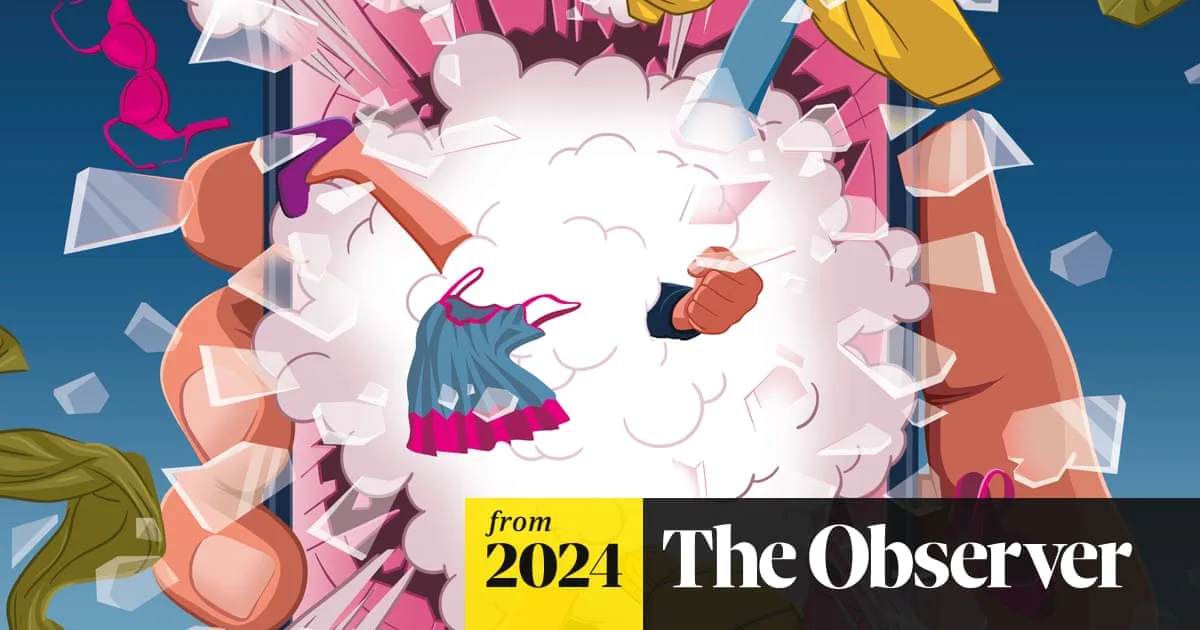
Secondhand shopping apps like Vinted and Depop have become a breeding ground for scams, rage, and suspicion, with buyers and sellers frequently descending into verbal abuse. A typical exchange might involve a seller refusing to combine postage, only to send a refund in the form of grubby coins stuck to a piece of card with an insulting message. Such behaviour has become so common that it is now considered part of the shopping experience.
A popular Instagram account, DM Drama, formerly known as Depop Drama, showcases the most ridiculous conversations from these platforms. With 4.2 million active buyers on Depop alone, the account highlights exchanges that start with lowball offers and quickly escalate into personal attacks. One example involves a seller pretending to be dead to avoid giving a refund, while another features a buyer receiving a pair of jeans held together with gaffer tape.
According to a survey by Which?, 32% of buyers have been scammed on secondhand marketplace apps over the past two years. Depop had the highest rate, with 57% of buyers reporting scams, compared to 22% on Vinted. However, sellers are not immune: nearly a quarter of the 1,400 sellers surveyed also reported being scammed. The mutual suspicion is palpable, with buyers often expressing fear of being cheated even before a transaction begins.
The phenomenon reflects broader online behaviour, where screen time exceeding 10 hours a day has eroded politeness. The pandemic has intensified these trends, making heated temporary relationships with strangers feel normal when money is involved. Both Depop and Vinted have community guidelines prohibiting hate speech and harassment, but enforcement appears inconsistent.
One Londoner, Gina, recounted a incident where she kept a refund after a late delivery, only to be banned when the seller found her wearing the item on Instagram. Despite eventually paying, she remains barred from the platform. Such stories underscore the chaotic and often absurd nature of secondhand shopping online.