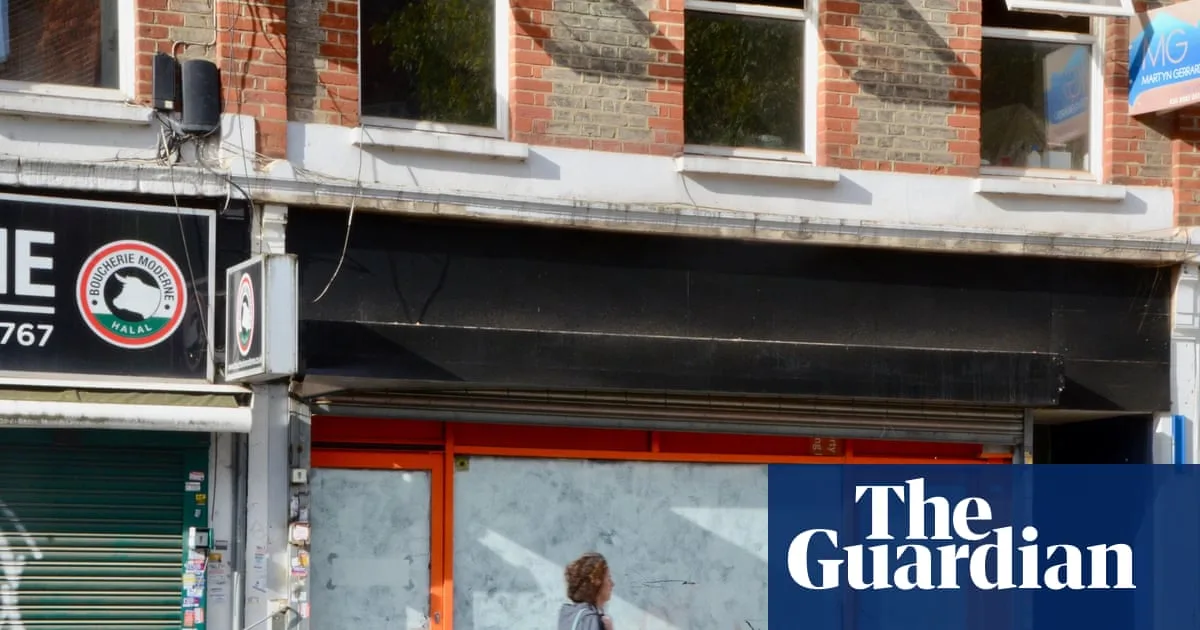
Readers have responded to recent coverage of the decline of Britain’s high streets, offering personal reflections and suggestions for regeneration. Michael Newman of Shefford, Bedfordshire, recalls the evolution of his rural Essex village high street since the postwar era, noting the loss of butchers, bakers and ironmongers to grocery chains and out-of-town shopping. He argues that consumers must take responsibility: “If you want a high street, shop there!”
Jeremy Walker of Leiston, Suffolk, blames the hollowing out of town centres on retail parks with free parking, poor planning and expensive town-centre parking. He proposes converting empty shops into housing, penalising landlords who leave properties vacant, and offering incentives for developers to create homes that would bring customers back to high streets.
Claudia Kenyatta and Emma Squire, co-CEOs of Historic England, highlight the success of the High Streets Heritage Action Zones programme, which used £95m of government funding to revitalise over 60 historic high streets. They argue that restoring historic shops and celebrating local character can reduce vacancy rates, attract investment and create jobs, and that this blueprint can be applied elsewhere.

Another reader notes the irony of people bemoaning the decline of Peterborough city centre while choosing out-of-town malls. Despite a growing city-centre population due to conversions of empty offices and shops into flats, they observe that communities are not forming, and warn that this lack of identity may cause future problems.