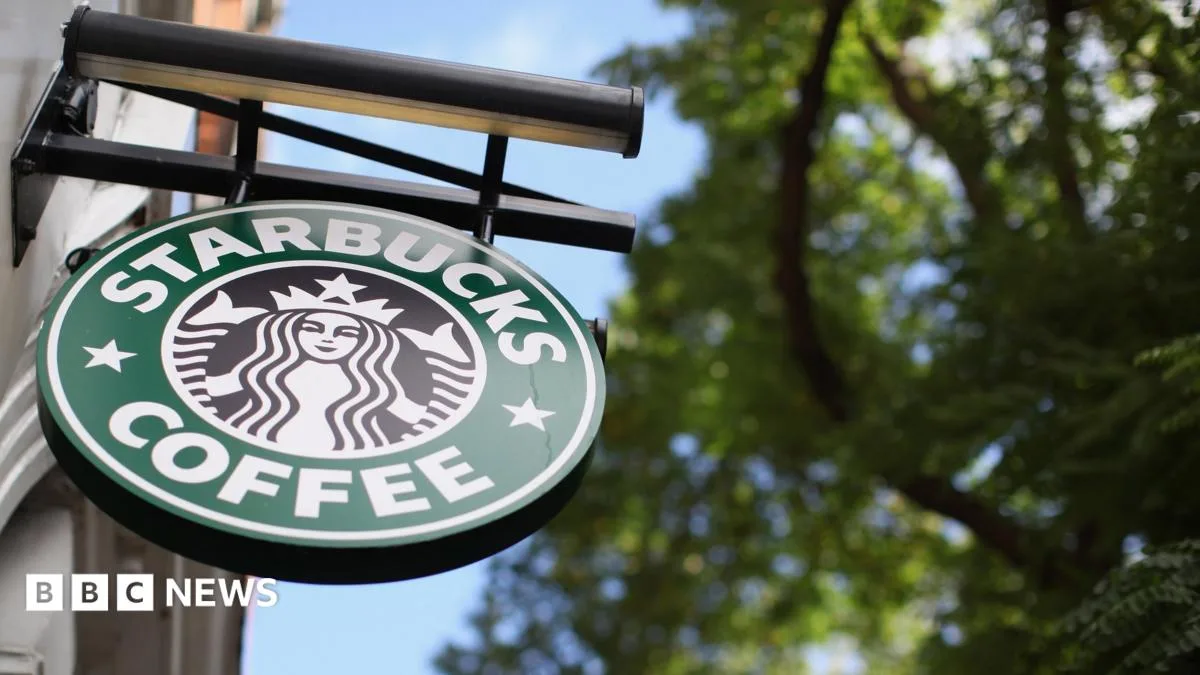
Starbucks Secures Retail Tax Credit Amidst Sales Growth in UK
Starbucks Gets Tax Credit Despite Rising UK Sales

In a development that has sparked debate within the business community, Starbucks has successfully secured a retail tax credit in the United Kingdom, despite reporting a notable rise in its sales figures. This move comes at a time when corporate taxation and fairness are under intense scrutiny, with many calling for greater transparency and equity in how large multinational companies are treated under the tax system.

Details of the Tax Credit and Sales Performance

Starbucks, the global coffeehouse chain, has been granted a tax credit specifically designed for the retail sector, which allows it to reduce its tax liability in the UK. This credit is part of broader government incentives aimed at supporting businesses, particularly in the retail industry, which has faced challenges such as high street decline and economic volatility. However, the timing of this credit is notable, as it coincides with Starbucks reporting an increase in its sales revenue across its UK operations.

According to recent financial disclosures, Starbucks has seen a steady growth in sales, driven by factors such as expanded store openings, enhanced digital offerings, and a rebound in consumer spending post-pandemic. This sales rise has contributed to the company's overall profitability, making the tax credit a point of contention among critics who argue that profitable corporations should not benefit from such incentives when they are already performing well.

Wide Pickt banner — collaborative shopping lists app for Telegram, phone mockup with grocery list

Implications for Corporate Taxation and Public Perception

The granting of this tax credit to Starbucks raises important questions about the effectiveness and fairness of current tax policies. On one hand, supporters of the credit argue that it encourages investment and job creation in the retail sector, which can have positive ripple effects on the economy. They point out that Starbucks employs thousands of workers in the UK and contributes to local communities through its operations.

On the other hand, detractors highlight that this move could undermine public trust in the tax system, especially when large companies with rising sales receive financial benefits. There are concerns that such credits may be seen as a form of corporate welfare, potentially disadvantaging smaller businesses that do not have the same access to tax breaks. This has led to calls for a review of tax incentive programs to ensure they are targeted at businesses that genuinely need support, rather than those already thriving.

Broader Context in the UK Business Landscape

This incident is part of a larger conversation about corporate responsibility and taxation in the UK. In recent years, there has been increased pressure on multinational corporations to pay their fair share of taxes, with public campaigns and regulatory changes aiming to close loopholes and increase transparency. Starbucks itself has faced criticism in the past over its tax arrangements, making this latest development particularly sensitive.

Looking ahead, the situation underscores the need for balanced policymaking that supports business growth while ensuring equitable tax contributions. As Starbucks continues to expand its presence in the UK, the impact of this tax credit on its future operations and public image will be closely watched by stakeholders, including investors, consumers, and policymakers.

Pickt after-article banner — collaborative shopping lists app with family illustration