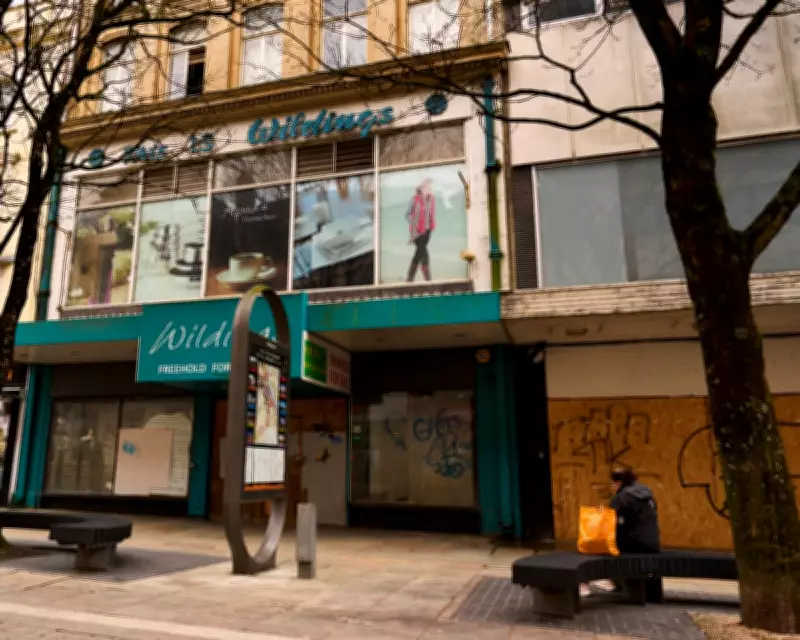
A comprehensive new analysis has revealed that the decline of Britain's high streets is a multifaceted issue, with blame shared among consumers, businesses, and policymakers alike. The report, released this week, underscores how shifting shopping habits, inadequate urban planning, and economic pressures have collectively contributed to the deterioration of these once-thriving community hubs.
The Role of Consumer Behaviour
One of the primary factors identified is the dramatic rise in online shopping. Consumers have increasingly turned to e-commerce platforms for convenience and competitive pricing, leading to a significant drop in foot traffic on high streets. This trend has been accelerated by the pandemic, which normalised digital purchases across all age groups.
Business Strategies and Adaptations
Businesses are also implicated, with many failing to adapt to changing market dynamics. The report criticises retailers for not innovating their offerings or enhancing in-store experiences to compete with online alternatives. Additionally, high rental costs and business rates have forced many small shops to close, further hollowing out high streets.

Policy and Planning Shortfalls
On the policy front, local and national governments are blamed for poor planning decisions and a lack of investment in high street regeneration. The analysis points to insufficient support for mixed-use developments and inadequate public transport links, which have made high streets less accessible and attractive to visitors.
Experts warn that without coordinated action, the decline could become irreversible, leading to job losses and weakened community cohesion. The report calls for a collaborative approach involving all stakeholders to revitalise high streets through better design, financial incentives, and community engagement initiatives.