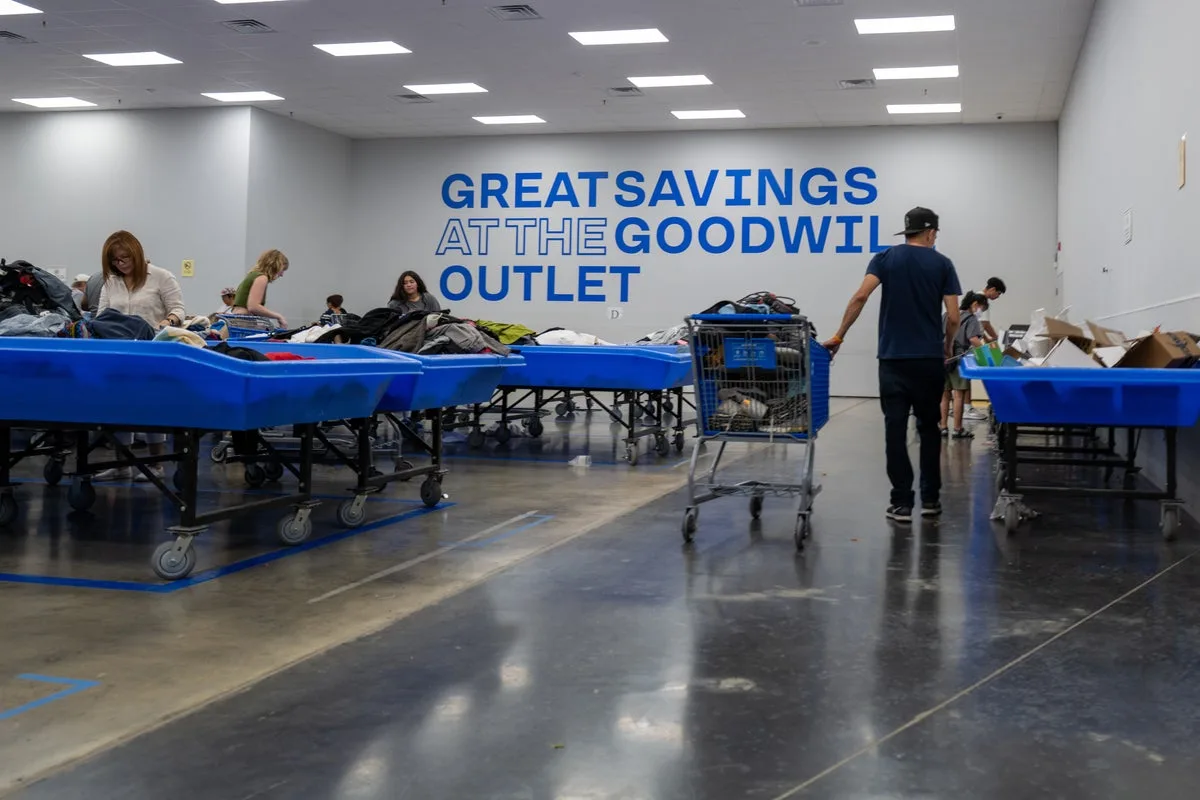
Americans are increasingly turning to secondhand clothing as they seek to reduce spending amid persistent inflation, according to a new report from the Bank of America Institute. The number of secondhand fashion transactions per household grew nine times faster than overall spending in March, with consumers across all income groups spending less on each purchase since April 2025.
Generation Z, classified as those born after 1995, have been particularly active, making up 41 percent of secondhand sellers this year—up from 37 percent in 2024. The overall number of Bank of America customers selling used clothing also rose 16 percent in March compared to the previous year, partly driven by a passion for sustainable fashion and side hustle opportunities.
The report notes that secondhand shopping offers relief from the cost of living while providing an environmentally friendly alternative. “As inflation persists, and retailers confront tariff costs, consumers are facing higher price tags on apparel – about five times higher than they were a century ago,” it states, highlighting that secondhand fashion is both economical and eco-friendly.
Inflation soared in March, mainly due to high energy prices caused by the US-Israeli war on Iran. The Consumer Price Index increased 0.9 percent from the previous month and 3.3 percent year-on-year, well above the Federal Reserve’s 2 percent target. Nearly a quarter of all US households lived paycheck to paycheck last year, according to a separate Bank of America report from November 2025.
Amid higher costs and concerns about social safety nets, only 64 percent of Americans feel confident about having enough money for a secure retirement, according to an annual survey by the Employee Benefit Research Institute and Greenwald Research released Tuesday.