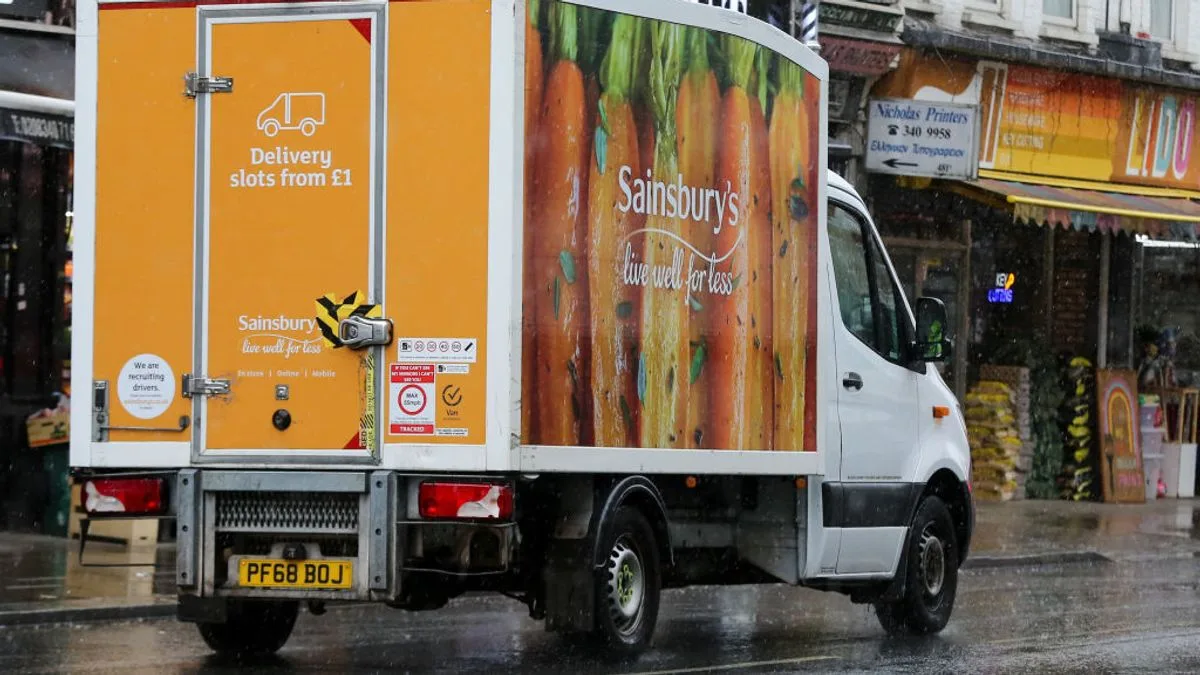
Sainsbury's has ignited a storm of controversy with a significant new policy change affecting all online shoppers who rely on home deliveries. The supermarket giant, which operates over 1,400 stores across the UK including convenience outlets, has announced that it will raise the minimum spend required for free delivery to £50, a move that has left many customers fuming and questioning the chain's commitment to affordability.
Customer Reactions: Anger and Disappointment
Shoppers have expressed widespread anger after being informed of the new '£50 rule', which is set to take effect from 7 April. Previously, customers with a Delivery Pass, costing £7.50 per month, could avoid delivery charges by spending £40 or more. This threshold will now increase by an extra £10, meaning those who spend less than £50 will face a £7.50 charge, up from £7. For customers without a pass, delivery fees range from £1 to £5.50 for orders over £50.
On social media platforms, the backlash has been intense. One customer, Ron, voiced concerns on Facebook, stating, "Delivery Pass minimum spend per delivery is £50 from April 26. For OAPs and anybody incapacitated, that's their complete weekly pension gone on food. £50 per delivery is scandalous, especially to people living on their own who depend on this delivery for food and someone to talk to. Sainsbury's is clearly jumping on the Middle East bandwagon. Wrong, totally wrong."
Impact on Vulnerable Groups
Many shoppers have highlighted how the change will disproportionately affect vulnerable individuals, such as pensioners and those living alone. Karen added, "Must admit when I got the email I immediately thought of pensioners and all the people who need that delivery as a lifeline. Also, everyone who lives alone in one-occupancy houses. Wonder how many customers they are going to lose due to this increase. I will definitely be one, looking at the other supermarkets' prices at the moment."
Another user on X echoed these sentiments, asking, "Are they declaring war on pensioners?" while a customer pointed out, "Beyond disappointed in this. It unfairly impacts people who live alone or who can't get to a store." Bob commented, "Totally agree. It's disgusting. Sainsbury's isn't the great company it once was. I'm looking at Amazon Foods. So many great deals."
Sainsbury's Justification and Business Costs
In response to the outcry, a spokesperson for Sainsbury's defended the decision, explaining, "We want to do everything possible to ensure online shopping is as simple and affordable for our customers as possible. The spend needed to qualify for standard delivery had remained unchanged for well over a decade, and after a recent review, it will increase next month from £40 to £50 to reflect the costs for our business in providing this service."
The spokesperson further noted, "The vast majority of our customers already spend over this threshold and will subsequently see no impact when shopping with us online, while options like our Delivery Pass and Click & Collect can help to reduce costs further." However, this reassurance has done little to quell the frustration among those who struggle to meet the new minimum.
Broader Concerns and Market Competition
Some customers have raised broader economic concerns, with one user predicting, "Don't worry, the prices are about to skyrocket. What was a £40 shop last week will be a £50-£60 shop in the next few weeks." This sentiment reflects growing anxiety over rising living costs and the potential for supermarkets to pass on increased expenses to consumers.
As shoppers consider alternatives, the move could lead to a loss of customer loyalty for Sainsbury's. With competitors like Amazon Foods and other supermarkets offering potentially better deals, the chain risks alienating a significant portion of its clientele, particularly those who rely on home deliveries as a essential service.
Overall, the introduction of the £50 minimum spend rule has sparked a heated debate about accessibility, fairness, and corporate responsibility in the retail sector, leaving many to wonder how Sainsbury's will navigate the fallout from this controversial decision.