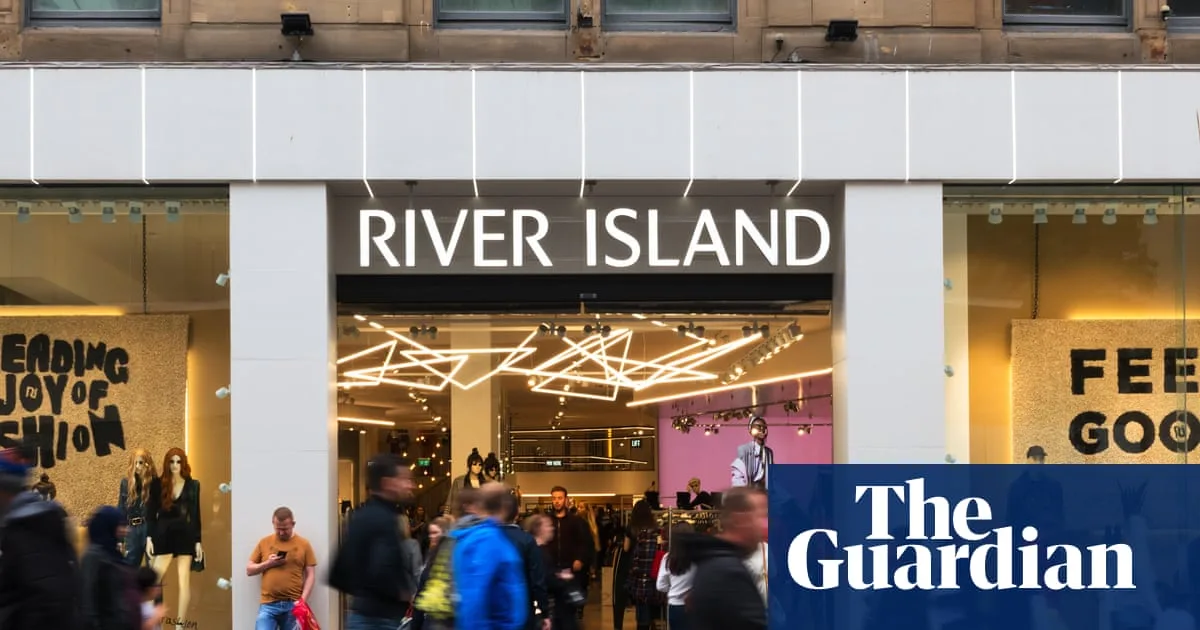
River Island has announced plans to close 33 of its 230 stores, with a further 71 at risk, under a restructuring programme that could put more than 1,000 jobs on the line. The family-owned company, which employs around 5,500 people, attributed the move to a 'migration of shoppers from the high street to online' and rising costs.
The plan, developed with advisory firm PricewaterhouseCoopers and due to be voted on by creditors in August, involves the closure of 33 stores while the future of another 71 depends on negotiations with landlords over rent reductions. Chief executive Ben Lewis said the company regretted any job losses and would 'try to keep these to a minimum'.
River Island swung to a £33.2m loss in 2023, according to the latest accounts filed at Companies House, after sales fell by more than 19% to £578.1m. This compares with a profit of £2m in 2022. In January, the group launched a cost-cutting effort including redundancies at its London head office.
The retailer's troubles come as other high street chains also undergo restructuring. Poundland has unveiled a similar programme that could shut up to 150 stores and put 2,000 jobs at risk, while luxury goods maker Mulberry announced plans to raise £20m after reporting a £23m loss for the year.
Retailers across the sector are under pressure from rising wages, taxes and business rates, coupled with weak consumer spending. The rapid growth of cheap online sellers such as Shein, Temu and Amazon has further dented footfall on the high street. Matthew Padian, an insolvency expert at Stevens & Bolton, warned: 'There will be more coming down the track as it doesn't look like it is getting any easier for retailers.'