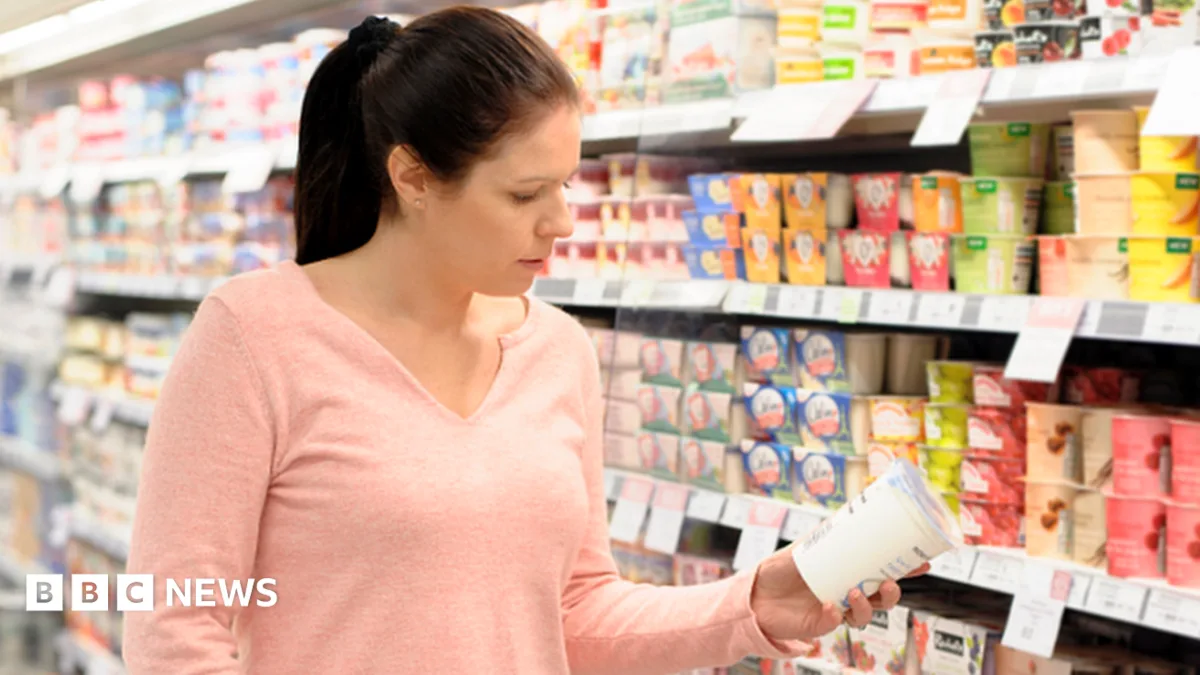
The Food and Drink Federation has warned that food prices may not peak until next year, with inflation potentially exceeding 10%. The industry body said it typically takes 7-12 months for higher production costs to reach shop shelves, meaning the full impact of Russia's invasion of Ukraine is yet to be felt.
Federation chief executive Karen Betts told the BBC that prices would "absolutely" get worse before improving. She noted that manufacturers are facing rising costs for ingredients, energy, and labour, with no end in sight. The conflict has disrupted supplies of wheat, corn, and sunflower oil from Ukraine, while sanctions on Russia have pushed up energy prices.
Official data shows food and drink price inflation rose to 8.7% in the year to May. The Institute of Grocery Distribution predicts prices could rise by as much as 15%, affecting staples like bread, meat, dairy, fruit, and vegetables. A BBC survey found that households are already cutting back on groceries or skipping meals due to the cost-of-living crisis.
Work and Pensions Secretary Thérèse Coffey acknowledged the challenging times, attributing inflation to Covid after-shocks and the war in Ukraine. She highlighted government support, including a £400 discount on fuel bills for all homes, as part of measures to help households with energy costs.