Middle East Conflict Puts UK High Street Under Severe Pressure
Middle East Conflict Hits UK High Street Hard

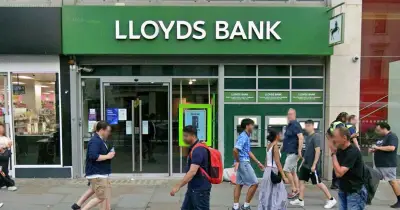
The ongoing conflict in the Middle East is delivering a severe blow to Britain's already struggling high street retailers, with industry chiefs issuing fresh warnings about mounting pressures. Despite a temporary sales boost from the timing of Easter, the outlook for shops remains highly uncertain due to the geopolitical turmoil.

Supply Chain Damage and Soaring Costs

Helen Dickinson, chief executive of the British Retail Consortium, has highlighted that the damage to supply chains is already significant. She explained that rising costs across multiple areas are compounding the difficulties for retailers. "Damage to supply chains has already been done, and rising costs - from shipping and fertiliser to insurance and commodities - are piling yet more pressure onto already stretched retailers," Dickinson stated.

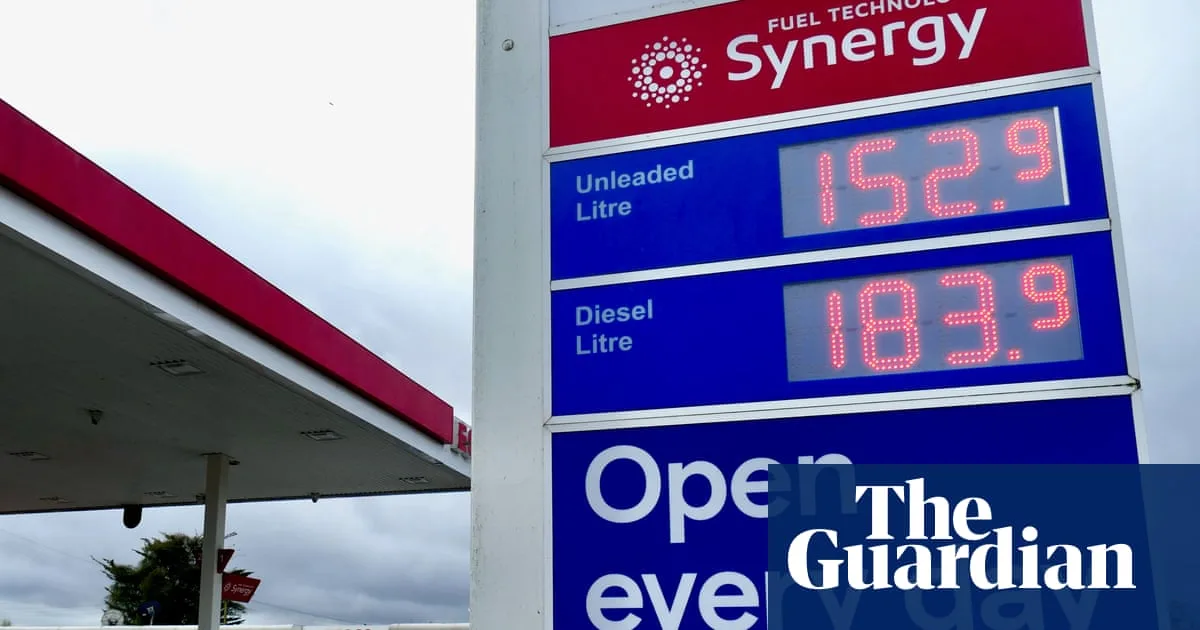
She urged immediate government action to curb inflation by delaying domestic policies that could further increase prices for consumers. The conflict has particularly impacted fuel prices, with petrol costs rising by approximately 18% at the pump since the conflict began, according to Sarah Bradbury, chief executive of the Institute for Grocery Distribution.

Wide Pickt banner — collaborative shopping lists app for Telegram, phone mockup with grocery list

Easter Provides Temporary Relief

Recent data from the BRC and KPMG revealed that retail sales grew by 3.6% year-on-year in March, surpassing the 12-month average of 2.6%. This increase was largely attributed to the early timing of Easter, which encouraged families to stock up for celebrations.

Food sales experienced a notable jump of 6.8% last month, well above the annual average of 4.3%. Dickinson noted, "An early Easter provided a much-needed boost to food sales as families came together over the long weekend." However, non-food sales presented a mixed picture, with strong demand for computers, toys, and homeware but continued struggles in clothing and footwear sectors.

Growing Consumer Concerns

The conflict has also disrupted international travel, negatively affecting sales of travel-related goods. More broadly, shopper confidence has plummeted to its lowest level since 2023, as households grapple with the economic fallout. Bradbury warned that the conflict is expected to further increase cost pressures, elevating risks to heating bills, food prices, and interest rates.

"While occasions such as Mother’s Day and Eid provided moments of celebration, they were not enough to offset growing shopper concerns about rising costs. The months ahead will therefore be challenging for both shoppers and the food and drink industry," Bradbury added.

Inflation Forecasts and Household Impact

The IGD has more than doubled its forecast for food inflation this year, revising it from 3.6% to over 8% by June. This surge could add more than £150 annually to the average family's grocery bill, representing another significant financial burden for millions.

Food prices in shops have already skyrocketed by around 38% since before the Covid pandemic, making the weekly shop one of the largest outgoings for many households. The combination of geopolitical instability and domestic economic challenges creates a precarious environment for both retailers and consumers, with industry leaders calling for decisive policy interventions to alleviate the mounting pressures.

Pickt after-article banner — collaborative shopping lists app with family illustration