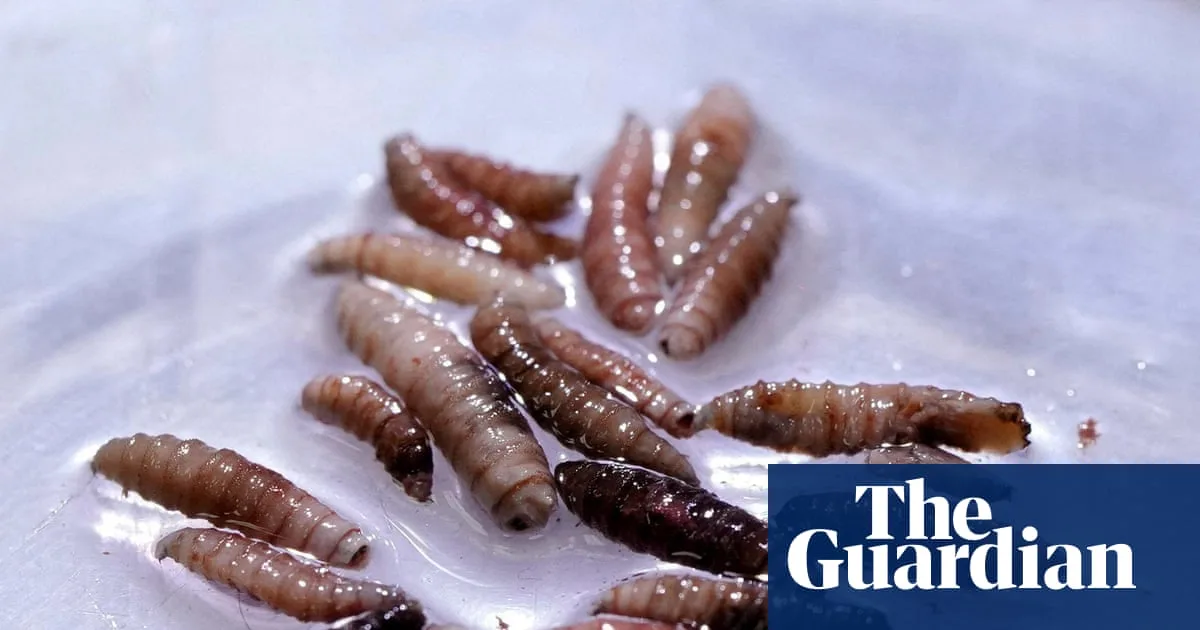
Agriculture officials in the United States have confirmed the first case of new world screwworm fly in cattle in six decades, raising concerns for the livestock industry. The parasite was discovered in a calf in southern Texas, approximately 50 miles from the Mexico border, Agriculture Secretary Brooke Rollins announced on Wednesday.
The screwworm fly larvae feed on the blood of warm-blooded animals, posing a low risk to humans but capable of spreading rapidly among livestock. Eradicated from the US in the 1970s after causing tens of millions of dollars in losses, the parasite's return threatens an industry already facing record-high beef prices. Officials stress there is no food safety risk, but shortages could occur if the pest establishes itself.
Texas Agriculture Commissioner Sid Miller criticised the US Department of Agriculture's response, stating that despite deploying billions of sterile flies, the screwworm has advanced over 1,100 miles from southern Mexico to Texas. He urged the use of the screwworm adult suppression system, a proven method combining attractants, bait, and targeted insecticides.
Rollins defended the USDA, asserting there is no threat of mass infestation and that this is the first confirmed detection in Texas since 1966. The agency has partnered with the army corps of engineers to build a new sterile fly production facility in Edinburg, Texas, to combat the spread. Female screwworm flies mate only once, and eggs from sterile males do not hatch, effectively reducing populations over time.