

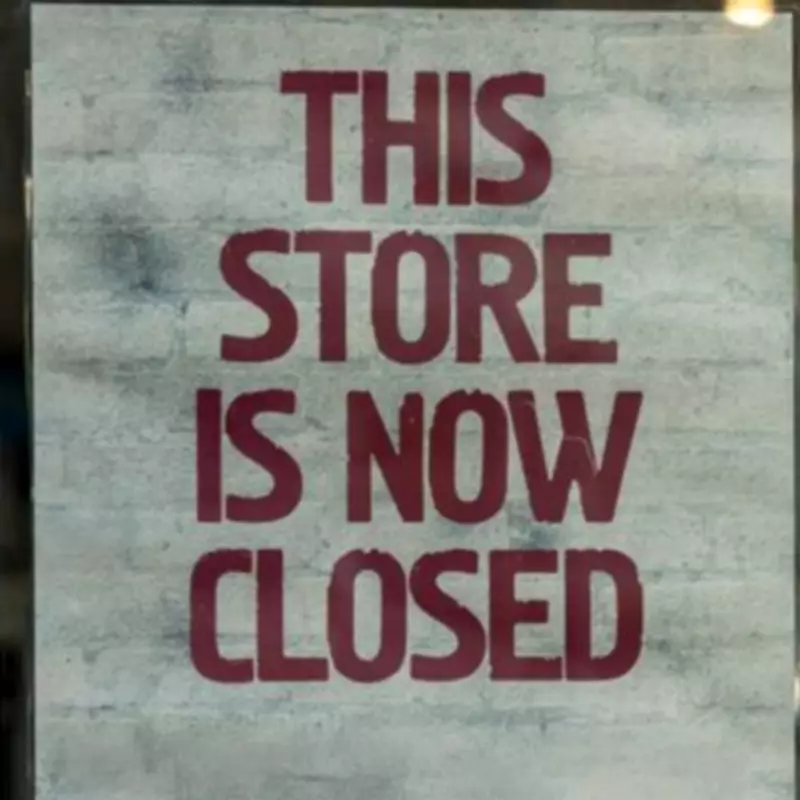
High Street Crisis Deepens as Major Brands Announce Widespread Closures
A significant wave of high street closures is set to hit the UK in 2026, with several prominent brands confirming plans to shut hundreds of branches, directly threatening hundreds of jobs nationwide. This alarming trend underscores the severe economic pressures facing the retail sector, driven by a combination of subdued consumer sentiment, escalating operational costs, and recent government policy changes.
Topps Tiles Implements "Self-Help Measures" with 23 Store Closures
Topps Tiles, a leading retailer in the home improvement sector, has announced it will close 23 of its 300 stores as part of a strategic series of "self-help measures." Eight locations have already ceased operations, with the remaining 15 slated to shut down over the next six months. The specific branches affected have not yet been disclosed by the company.
Chief Executive Alex Jensen explained the decision, stating, "Topps continues to outperform a softer market. In light of subdued consumer sentiment and geopolitical uncertainty, as well as the cumulative impact of cost inflation, the management team is implementing a targeted programme of self-help measures weighted towards the second half of the year." This move reflects broader challenges in the retail environment, where inflation and economic instability are forcing businesses to streamline operations.

William Hill Blames Budget for 200 Outlet Closures
In a major blow to the betting industry, William Hill is poised to close 200 of its high street outlets. The company attributes this drastic action directly to Chancellor Rachel Reeves' Budget measures, which will see gambling duty skyrocket from 21% to 40% starting this month. A spokesperson for Evoke, William Hill's parent company, commented, "Following a thorough review and further to increased cost pressures on the regulated sector, including significant tax increases announced by the Government in last year's Autumn Budget, from May we are closing a number of shops that are no longer sustainable."
The spokesperson added, "We are offering our full support to our retail colleagues affected by these closures. These decisions are never taken lightly; however, in the face of rising cost pressures, we must take action to ensure we can continue to invest in our core retail estate, with the right shops, in the right locations." The exact branches facing closure remain unconfirmed, but the scale of the shutdown highlights the severe impact of regulatory changes on business viability.
Historic Routledge Bakeries Shuts After 109 Years
Adding to the high street exodus, the beloved Routledge bakeries in Carlisle will close all its branches, marking the end of a 109-year-old family-run institution. Bosses cited an unwillingness to endure another year of uncertainty and crippling expenses, including soaring business rates and energy bills, as the primary reasons for the shutdown. The bakeries operated in multiple locations across Carlisle, including Brook Street, Central Avenue, Morton, Mount Pl, Newtown, Warwick Road, and Wigton. While its website remains active, no products are currently listed, signaling the finality of this closure.
Original Factory Shop Continues Administration Closures
Further compounding the retail crisis, the Original Factory Shop will shut four additional stores on April 4, 2026, after having fallen into administration. This follows previous closures in Norfolk, Suffolk, and Newquay. The branches set to close are located in Redruth, Cornwall; Stanley, Durham; Leominster, Herefordshire; and Cainscross, Gloucestershire. These closures represent the ongoing struggles of once-cherished brands to survive in a challenging economic landscape.
Broader Implications for the UK Retail Sector
The collective announcements from William Hill, Topps Tiles, Routledge bakeries, and the Original Factory Shop paint a grim picture for the UK high street in 2026. Key factors driving these closures include:

- Economic Pressures: Rising inflation, increased business rates, and high energy costs are squeezing profit margins.
- Government Policies: Tax hikes, such as the gambling duty increase, are forcing companies to reassess their physical presence.
- Consumer Behavior: Subdued spending and shifting shopping habits are reducing footfall in traditional stores.
- Operational Sustainability: Brands are focusing on core estates and digital channels to remain competitive.
As these closures unfold, hundreds of employees face uncertain futures, and communities across the UK will lose vital retail hubs. The situation calls for urgent attention from policymakers and business leaders to support the high street and mitigate further job losses in the coming months.





