

British Heritage Pottery Brands Face Existential Threat from Online Dupes
In a significant blow to Britain's historic ceramics industry, the renowned Denby pottery brand has entered administration this week. Founded in Derbyshire in 1809, Denby has operated continuously from its original site for over two centuries, producing table ceramics that have become household staples across the nation and beyond.
The Administration Announcement and Market Pressures
The company's descent into administration serves as a stark indicator of shifting consumer habits and economic pressures. Despite continuing to fulfill orders through both online and physical retail channels, Denby appointed administrators due to escalating operational costs and declining customer interest. This development highlights a broader crisis affecting traditional British pottery manufacturers.
Tony Wright, joint administrator of the Denby Group and partner at FRP, commented on the situation: 'Denby is one of Britain's most beloved and enduring pottery brands, with a heritage spanning more than two centuries and a loyal following across the UK and internationally.' He added, 'While it is disappointing that the group has been unable to secure the investment needed to continue as a going concern, the strength and recognition of these brands is undeniable. We are focused on progressing the sale process as quickly as possible.'

The Rise of Budget Alternatives on Digital Platforms
The challenges facing Denby are emblematic of wider industry troubles, with competitors Wedgwood and Emma Bridgewater also reporting significant sales declines. The primary disruptor appears to be the proliferation of ultra-affordable alternatives available through e-commerce platforms like Temu and TikTok Shop.
A comparative analysis reveals dramatic price differentials:
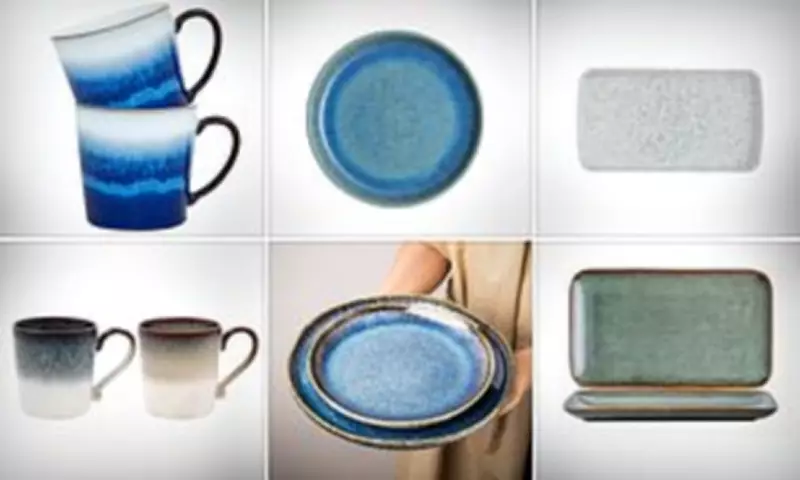
- Denby's Bright Blue Speckle Medium Coupe Plate retails at £21 per plate, while Temu offers a similar-looking set of two plates for just £9.91
- Denby's Halo Speckle Small Rectangular Platter costs £33, compared to a £16.54 version on Temu
- Wedgwood's floral dining sets typically exceed £200, whereas comparable 16-piece sets on Temu sell for approximately £44
- A Wedgwood-style teapot commands £240 from the heritage brand, while Temu sells similar items for just £18.64
Historical Context and Contemporary Challenges
Wedgwood, established in 1759 by pioneering potter Josiah Wedgwood, once enjoyed unparalleled prestige with its elegant, often hand-painted china gracing tables at Buckingham Palace, the White House, the Vatican, and even the Kremlin. Today, however, many of these once-prized porcelain pieces languish unsold or heavily discounted on digital marketplaces.
The company faced production halts at its Barlaston factory last September, with operations suspended for up to 90 days due to diminished demand in key markets before resuming in January. Meanwhile, Emma Bridgewater, which has produced pottery since 1984, recorded a substantial pre-tax loss of £4.4 million for the year ending April 27, 2024.
Cultural Shifts in Dining and Consumption Patterns
Food consultant and chef Renae Smith identified fundamental changes in consumer behavior driving this market transformation. 'We're in an era where convenience trumps curation,' she explained. 'People are eating on the couch, not hosting dinner parties, and when they do entertain, it's often with takeaway containers or one-off, budget-friendly buys from TikTok Shop. That shift in behaviour has hit heritage brands hard.'
Smith elaborated on the cultural dimension: 'Wedgwood and Emma Bridgewater were built on the idea of dining as an event, setting the table, bringing people together, creating memories, and putting in the effort. But that model doesn't sit easily with modern culture. These days, you can spend £10 on a trending glass that looks great, lasts a few months, and by the time it chips, you're ready to move on. It's fast fashion for the dinner table.'

The consultant noted this trend shows no signs of abating: 'We want what we want, when we want it. And unless that mindset shifts, I don't see the trend disappearing anytime soon. It's not just about how we eat. It's about how we live. And for many, the idea of setting a formal table just doesn't hold the same relevance anymore.'
Future Prospects for Heritage Craftsmanship
Despite the bleak outlook for tableware, Smith identified potential resilience in certain product categories: 'I do think there's still room for investing in quality, especially in things like bakeware, which isn't tied to trends in the same way. But when it comes to plates, cups, jugs - the more visible, lifestyle-led pieces - people are shopping with their eyes, their phones, and their wallets. And that leaves heritage brands in a difficult position.'
The administration of Denby represents more than just corporate restructuring—it signals a potential turning point for Britain's ceramic heritage. As consumers increasingly prioritize affordability and transient trends over enduring quality and tradition, the survival of these historic brands depends on adapting to fundamentally changed market dynamics while preserving their distinctive craftsmanship.





