

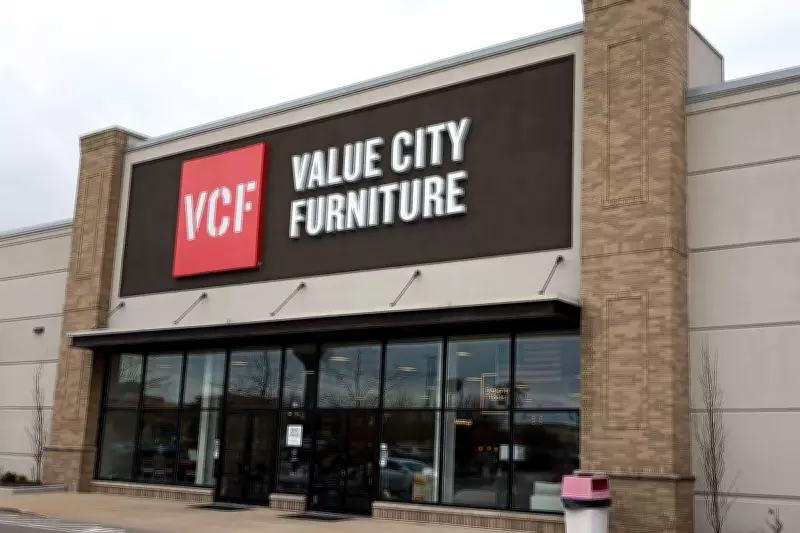
Furniture Retailer Value City Furniture Ceases All US Operations Following Bankruptcy
In a significant blow to the American retail sector, Value City Furniture, which also operated under the name American Signature Furniture, has permanently shuttered all 126 of its stores across the United States. This decisive closure comes after the company filed for Chapter 11 bankruptcy protection in November, a move that has left thousands of customers in limbo.
Widespread Customer Disruption with Unfulfilled Orders
Approximately 10,000 customers are still waiting for furniture orders for which they had previously placed deposits. This figure represents a notable reduction from the initial reports of 36,000 unfulfilled orders, indicating some progress in resolving the backlog. Since the bankruptcy filing, the company has managed to deliver furniture valued at $55 million to affected customers. However, claims believed to be undelivered now amount to less than $12 million, highlighting the ongoing financial and logistical challenges.
Customers with outstanding orders have been given a strict deadline of April 30 to submit their claims through the official bankruptcy case website. This process is crucial for those seeking compensation or resolution for their undelivered purchases.

Acquisition Amid Creditor Objections
The business was acquired by ASI Purchaser LLC, a company that is fully or majority owned by members of the founding Schottenstein family. This acquisition deal received approval from a U.S. Bankruptcy Court judge, despite facing objections from various creditors. The transaction underscores the complex dynamics often involved in bankruptcy proceedings, where stakeholder interests must be carefully balanced.
The closure of Value City Furniture marks the end of an era for a once-prominent player in the furniture retail industry, reflecting broader trends of market consolidation and financial instability in the sector. As customers navigate the claims process, the case serves as a stark reminder of the risks associated with large-scale retail operations and the importance of consumer protections in such scenarios.






