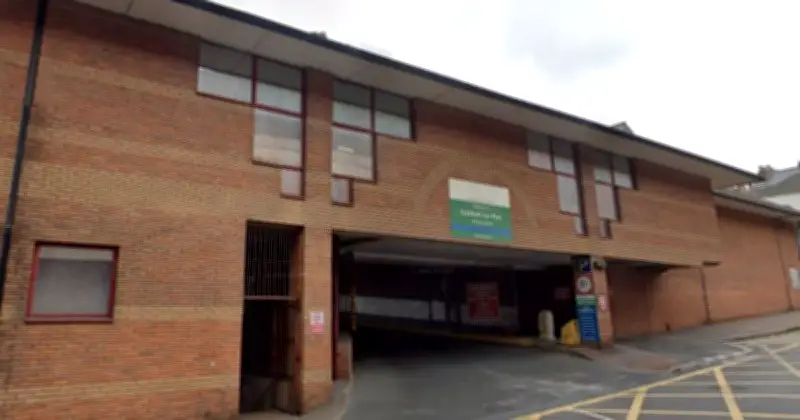
Motorists are being warned to avoid parking in Exeter's Guildhall Car Park as it closes for four days while the derelict Harlequins Shopping Centre is demolished to make way for a major new housing development. The car park will shut from June 30 until July 3 to allow demolition work to proceed safely.
Closure Details and Warnings
In a social media post, the management of the Guildhall centre cautioned that any cars left overnight before the closure begins cannot be released until the car park reopens. The Harlequins Shopping Centre, an 'American' style mall with 32 retail units that opened in 1987, will be knocked down as part of plans for a large-scale co-living development.
New Development Plans
The new housing development, built by developer Curlew, will feature two buildings six and seven storeys tall, housing 383 studios and flats. The complex will include shared kitchens, co-working spaces, a gym, a cinema, and a games zone, according to the planning application. Last year, the developer successfully argued that incorporating the stipulated 20% affordable key-worker housing was no longer financially viable due to rising construction costs, higher interest rates, and falling property values.
Demolition Details and Historic Wall Access
The distinctive stained-glass footbridge over Paul Street will be removed as part of the demolition but is set to be replaced in the new development. Access to the historic City Wall walkway behind the site will be temporarily restricted or marshalled while heavy machinery operates. Plans include widening the northern Paul Street pavements, installing a lightweight modern footbridge, and creating a 'pocket park' linking to the historic walls.
Background on Harlequins Shopping Centre
Harlequins Shopping Centre closed its doors in September 2019, having been a central feature of Exeter for over three decades. Since the closure, many businesses relocated to other parts of Exeter or further afield in Devon, while some closed entirely. Recent images shared online depict the complex as a 1980s-style 'ghost town' of derelict shops, according to East Devon News.