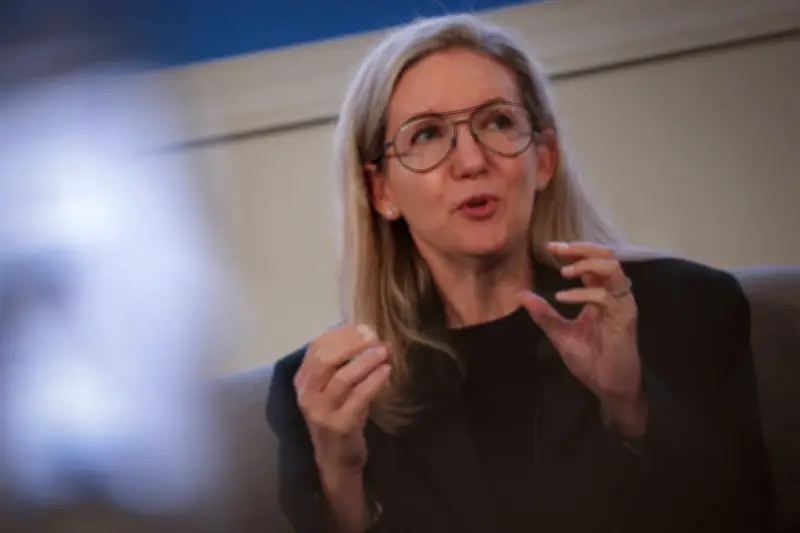
Cracker Barrel’s CEO, Julie Masino, is stepping down, the restaurant announced on Monday, nearly a year after the company faced a political storm over proposed branding updates.
Backlash over logo change
In August 2024, Cracker Barrel unveiled an updated logo that removed Uncle Herschel, the overall-clad man leaning against a barrel in the original logo. Critics on social media denounced the rustic chain as “woke” and “sterile and soulless”. Donald Trump weighed in, posting “WTF is wrong with Cracker Barrel?!” and demanding the company “admit a mistake”. The company quickly reverted to its old logo.
Masino, who became CEO in 2023, told rightwing commentator Glenn Beck in December that she felt “fired by America” after the controversy.
Transition and market reaction
Cracker Barrel’s stock dropped nearly 3% after the announcement of Masino’s departure. New CEO David Deno will take over on 10 August, with Masino staying until October to assist the transition. “Cracker Barrel is a truly iconic American brand, defined by its unique combination of warm country hospitality, timeless appeal, and deep connection with guests across generations,” Deno said in a statement.
Broader trend of brand boycotts
Masino’s exit is the latest fallout from social media-driven backlash against brands perceived as appealing to certain political ideals. The Harris Poll found that a quarter of Americans have changed shopping habits to align with their morals, with 50% of Democrats and 41% of Republicans stopping shopping at stores opposing their political views. In 2023, Target and Bud Light both saw sales declines after pride-related campaigns. Conversely, Target was dropped as a sponsor from Minneapolis’s annual pride festival after ending its diversity, equality and inclusion policies.
Not all boycotts succeed: Christopher Nolan’s The Odyssey performed strongly at the global box office despite criticism from Elon Musk and others over a “woke” cast.
History of discrimination
Cracker Barrel has a record of discriminatory practices. In 1991, it blocked hiring of LGBTQ+ workers and dismissed 11 staff, later reversing the policy. In 2004, it paid $8.7m to settle allegations from Black customers denied service and Black employees given more “back of house” assignments compared with white counterparts.