Households cut back on spending in April at the fastest pace in 16 months, as the conflict in the Middle East stoked fears of another cost-of-living crisis, according to a report from Barclays. The bank, which processes nearly 40% of UK credit and debit card transactions, recorded a 0.1% year-on-year fall in card spending last month, the first decline since November 2024.
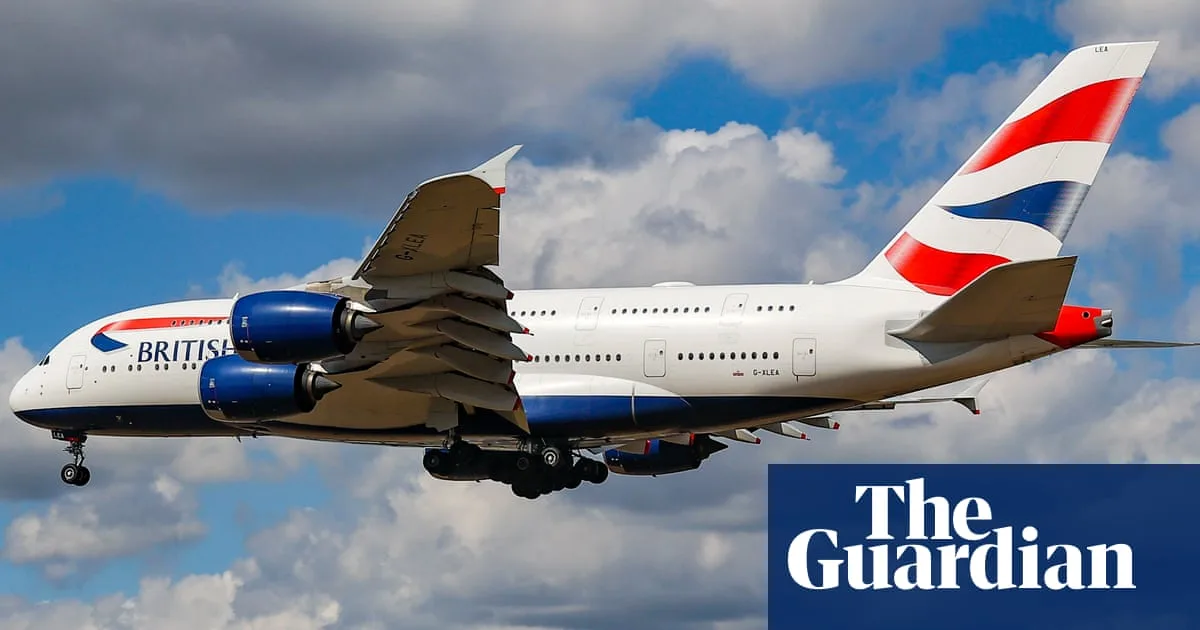
Non-essential spending fell by 0.3%, with travel spending dropping 5.7% following a 3.3% decrease in March. Airlines saw an 8.3% decline, while spending on eating and drinking flatlined. However, digital content and subscriptions rose 9.2%, boosted by popular TV series such as Euphoria, The Testaments and The Pitt.
Essential spending edged up 0.3%, driven by a 10.4% rise in fuel costs—the largest increase since December 2022, when Russia's invasion of Ukraine sent petrol and diesel prices soaring. The Bank of England warned last week that higher inflation was “unavoidable” due to the Iran war, with typical energy bills expected to rise 16% to £1,900 by summer and food prices to increase 7% by year-end.
A Barclays survey found 72% of consumers expect Middle East tensions to impact their cost of living throughout 2026, with energy bills, inflation and food prices causing the greatest concern. Confidence in non-essential spending dropped to 49%, its lowest since March 2023, though 52% said they could manage day-to-day finances without significant stress.
Jack Meaning, chief UK economist at Barclays, said: “The key unknown for the UK outlook is how long this uncertainty will last. If confidence remains subdued for too long, and consumers continue to limit their spending as a result, it will be a challenge for households and businesses to weather the storm.”
Separately, the British Retail Consortium and KPMG reported a 3% fall in retail sales in April, compared with 7% growth a year earlier, though the data was skewed by the timing of Easter. Food sales dropped 2.5% year-on-year. BRC chief executive Helen Dickinson noted: “Weak consumer confidence also played a role as fears about the Middle East conflict driving up living costs led shoppers to rein in.”