

Asda Reclaims Title as Britain's Most Affordable Supermarket for Major Grocery Shops
In a significant shift in the competitive supermarket landscape, Asda has regained its position as Britain's cheapest supermarket for substantial grocery shopping trips. The retailer has successfully taken back the crown from its major rival Tesco, according to comprehensive analysis conducted by the respected consumer group Which?.
Detailed Price Analysis Reveals Clear Winners
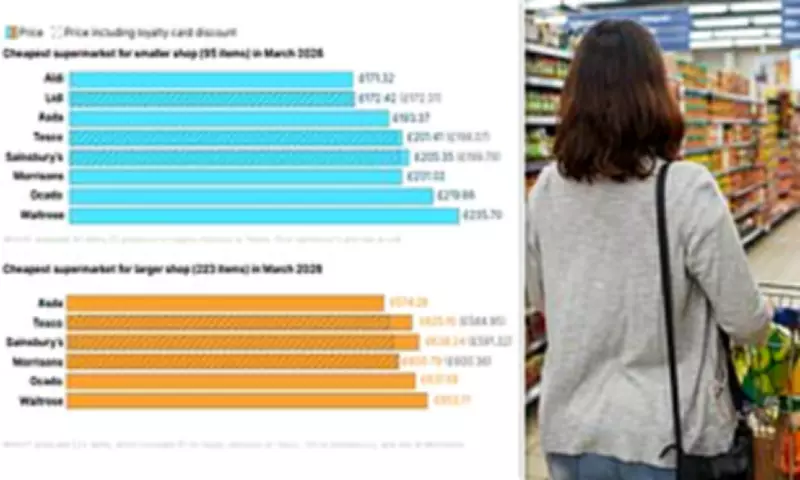
The latest data shows that a comprehensive basket containing 228 essential items at Asda cost consumers £574.26 during the previous month. This figure represented a substantial saving of £10.89 compared to the same extensive shop at Tesco when utilizing the supermarket's popular Clubcard loyalty scheme. This development marks a notable reversal in pricing trends, as Asda had consistently maintained the cheapest position for large shopping expeditions since December 2024, only to be overtaken by Tesco in February.
The impact of loyalty schemes on pricing has become increasingly pronounced. Without the benefit of a Clubcard, the identical 228-item shop at Tesco surged dramatically to £625.10, creating an eye-watering price differential of £40.15 compared to Asda's standard pricing. This substantial gap highlights the growing importance of supermarket loyalty programs in determining final checkout totals for British consumers.

Competitive Landscape Across Major Retailers
Sainsbury's demonstrated competitive pricing for customers enrolled in its Nectar loyalty program, with the large 228-item shop costing £591.32 for members. However, for shoppers without a Nectar card, the price escalated significantly to £638.24, making the shop approximately 11 per cent more expensive than the equivalent purchase at Asda.
Waitrose maintained its position as the most expensive option for comprehensive grocery shopping, with the 228-item basket totalling £653.17. This represents a substantial premium of £78.91, or approximately 14 per cent, compared to the same extensive shop at Asda.
Discounters Dominate Smaller Shopping Trips
The analysis incorporated separate evaluations for smaller shopping baskets, as discount supermarkets Aldi and Lidl were not included in the 228-item comparison due to their more limited product ranges compared to traditional supermarkets.
Aldi successfully retained its title as Britain's most affordable supermarket for smaller shopping trips, narrowly holding off its German competitor Lidl by a mere 99 pence. A representative basket of 95 essential items at Aldi averaged approximately £171.32, while the same selection at Lidl cost £172.41. Shoppers utilizing Lidl's reward system, Lidl Plus, could potentially bridge this gap, reducing their total to £172.31.
In the smaller shop category, Asda secured third place with a 95-item basket costing £193.37, comfortably outperforming Tesco with Clubcard pricing at £198.07. Waitrose once again emerged as the most expensive option for reduced shopping lists, totalling £235.70 for 95 items – a staggering 38 per cent, or £64.38, more expensive than Aldi.
Methodology and Consumer Impact
The comprehensive analysis included both branded and own-label products, such as Birds Eye peas, Hovis bread, milk, and butter. Which? incorporated special offer prices and loyalty scheme discounts where applicable, though multibuy promotions were excluded from the calculations.
Reena Sewraz, Which? Retail Editor, commented on the findings: 'Aldi continues to be the king of the small shop, but this month we've seen Asda pip Tesco with a Clubcard to the post for a larger list of groceries. Our data shows that loyalty schemes like Clubcard and Nectar continue to play a huge role in pricing, but it's important to remember that some retailers, like Asda and Aldi, are offering these low prices to everyone, regardless of whether they have a card or not.'
Sewraz emphasized the practical implications for consumers: 'With the cost of living still a major factor for UK households, being selective about where you shop for different types of trips can save you over £70 a month.'

Broader Context of Rising Food Prices
The supermarket price analysis occurs against a challenging backdrop of escalating food costs across the United Kingdom. Retail food prices have already surged 38 per cent above pre-pandemic levels, creating significant pressure on household budgets. Experts express concern about potential further significant increases if disruption caused by international conflicts continues to affect supply chains.
Additional data from Assosia reveals that the typical price of a family shop has increased by 41 per cent since March 2021, representing nearly £30 on a total that previously stood at £71.82. The most dramatic percentage increase was observed for one litre of own-label olive oil, which has risen from £2.85 in 2021 to £6.66 currently – an astonishing increase of 133 per cent, or £3.81.
Other notable price surges include cucumbers, which have increased from 44p to 99p – a rise of 128 per cent or 56p, and Ambrosia rice pudding cans, which have escalated from 81p to £1.74 – representing a 114 per cent increase or 93p. These substantial increases underscore the ongoing challenges facing British consumers as they navigate the current economic landscape.





