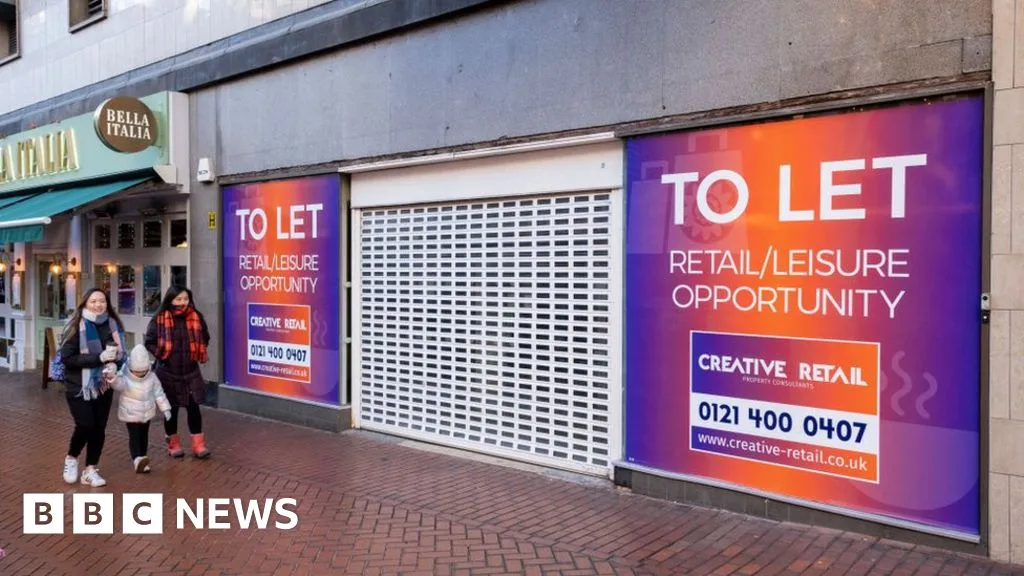
A further 14,000 shops closed last year, resulting in 150,000 job losses, according to experts. The Centre for Retail Research has warned that this year is likely to see a similar number of store closures, delivering another blow to communities across the country.
Five Years After Debenhams Collapse
The prediction comes five years after department store chain Debenhams collapsed, leaving gaping holes in high streets and shopping centres. More than a dozen former Debenhams branches remain empty or boarded up, with at least one becoming a magnet for crime. There seems little let-up in the strain on many high street businesses from soaring costs, competition from online retailers, and consumers' financial worries.
Recent Retail Casualties
Stationery chain TG Jones, the rebranded name for WH Smith after the sale of its high street arm, is the latest retailer in trouble. It emerged earlier this month that more than one in four TG Jones stores may be closed under sweeping plans. The cull of up to 150 stores threatens thousands of job losses across its 5,000-strong workforce. Alex Wilson, chief executive of TG Jones, admitted the business feels "completely broken" after years of underinvestment by its previous owner, but insisted it was "definitely" possible to turn the business around.
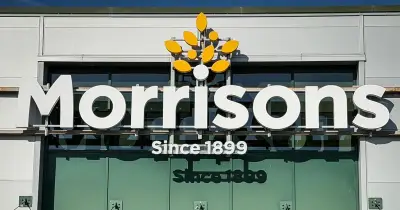
High street fashion chain Quiz entered administration in February, blaming tough trading and soaring costs. This came after more than 30 Russell & Bromley shoe shops closed when Next bought only the firm's brand, threatening 400 job losses. Supermarket giant Morrisons is reportedly preparing to shut around 100 outlets across the UK, a decision that could threaten hundreds of jobs.
Expert Analysis
Professor Joshua Bamfield, director of the Centre for Retail Research, said the continuation of tough times for many high streets had been worsened by higher costs for stores. "This includes an increase in taxes the government has put on businesses, and the increases in wages," he said. "Retailers are very high employers of young people, and people who are part-time, and it is much more expensive to employ those people. Some stores have simply become uneconomic." Updating its store closure and job loss tally for last year, Professor Bamfield added: "I think there will be about the same number this year."
Legacy of Debenhams
It was five years ago last week that the last of Debenhams' remaining 124 stores began to close. The company collapsed into administration, and its website and brand were bought by online giant Boohoo for £55 million. Research shows that the majority of Debenhams stores, many of which were large premises, have been filled in some way. Those in prime sites were snapped up by the likes of Marks & Spencer, Primark, and billionaire Mike Ashley's Frasers Group.
Some have been converted into other uses, including flats and leisure venues, while the old Debenhams branch in Gloucester has been turned into a university campus. In Cambridge, there are plans to turn the two-storey Debenhams in the city's Grafton Centre into office and lab space for life science industries. Defence giant BAE Systems was given the green light last year to use a former store in Barrow, Cumbria, as a replica of the facilities it uses to build submarines.
However, other Debenhams branches remain vacant and neglected, including the chain's large former outlet in Plymouth, which has been labelled a "death trap". Reports from earlier this year said a teenager was taken to hospital after he fell through the ceiling of the building. Other branches still empty include those in Crawley, Lincoln, Middlesbrough, Redditch, and Southend-on-Sea.