

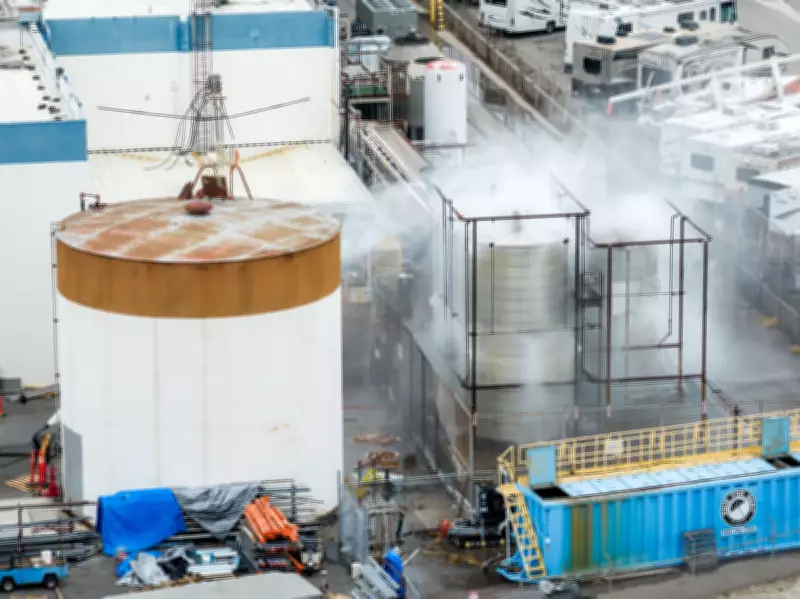
Recent incidents involving chemical tank vehicles in the United States have raised serious concerns about safety protocols in the transportation of hazardous materials. A series of accidents and leaks, including a significant spill on a major highway, have prompted federal authorities to review existing regulations.
Escalating Concerns Over Hazardous Material Transport
According to reports, the number of chemical tank incidents has increased over the past year, with several events resulting in road closures, evacuations, and environmental contamination. In one notable case, a tanker carrying industrial chemicals overturned on Interstate 95, leading to a multi-hour shutdown and a hazardous materials response team being dispatched.
Regulatory Gaps Under Scrutiny
Critics argue that current safety measures are insufficient, pointing to aging infrastructure, inadequate training for drivers, and gaps in inspection protocols. The Pipeline and Hazardous Materials Safety Administration (PHMSA) has acknowledged the need for updated standards but faces challenges in enforcement across state lines.

Industry representatives, however, emphasize that the vast majority of hazardous material shipments arrive safely. They advocate for a balanced approach that does not unduly burden businesses while maintaining public safety.
Environmental and Public Health Impacts
The environmental consequences of chemical spills can be severe, affecting water sources and air quality. In the recent incidents, local ecosystems have been threatened, and communities have been exposed to toxic fumes. Health officials have warned of potential long-term effects, including respiratory issues and groundwater contamination.
Emergency responders have called for better coordination and resources to handle such events, noting that many local agencies lack the specialized equipment and training needed for chemical incidents.
Call for Action
Advocacy groups are urging Congress to pass stricter safety legislation, including mandatory advanced driver training, improved tanker design, and real-time tracking of hazardous shipments. The White House has expressed concern and is considering executive actions to address the issue.
As the frequency of these incidents rises, the debate over how best to balance economic interests with public safety continues to intensify. The coming months will be critical in determining whether the US can strengthen its chemical transport safety framework.






