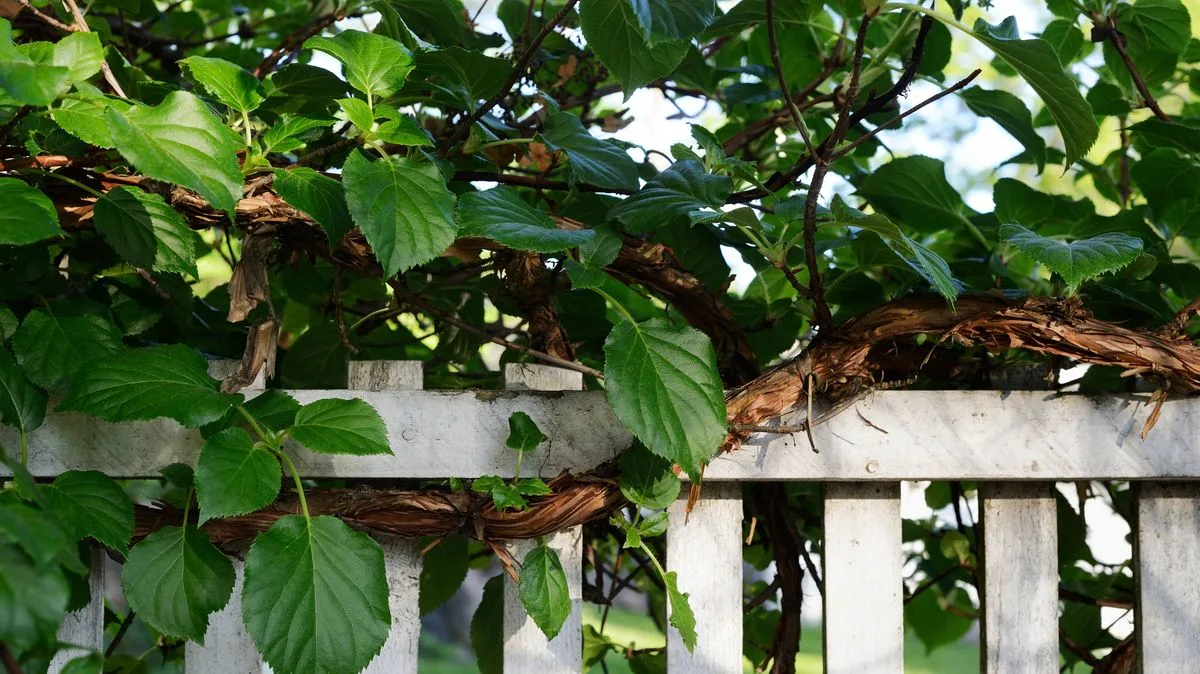
UK Laws on Neighbour's Hedge: Your Rights Explained
UK Laws on Neighbour's Hedge: Your Rights

Maintaining positive relationships with neighbours is something we all hope for, but disputes can sometimes arise, and hedges are a frequent source of conflict. When a neighbour's hedge becomes excessively tall, it can cast your garden or property into shade or block your view.

Legal Framework for High Hedges

Government legislation includes specific measures to address the problem of overgrown hedges. The Anti-Social Behaviour Act 2003 grants local authorities the power to handle complaints, meaning your council may be able to assist you.

Official guidance on the gov.uk website features no fewer than 30 questions on this topic, with supporting documents stretching to dozens of pages. These cover when complaints can be submitted, what can be complained about, the required height of a hedge, its position, and how to measure it.

Wide Pickt banner — collaborative shopping lists app for Telegram, phone mockup with grocery list

What the Law Says

According to gov.uk: "When councils are determining a complaint they must first decide whether the height of the high hedge is having an adverse effect on a neighbour's enjoyment of their home and/or its garden or yard. If it is, then councils can order the owner of a high hedge to take action to put right the problem and stop it from happening again." The legislation also allows councils to set and charge fees for handling these complaints.

The government advises that if you are troubled by a neighbour's hedge, the most practical solution is to raise the matter directly with them. Bringing in the council or pursuing legal action without first approaching your neighbour risks making the situation considerably worse.

Attempting Amicable Resolution

Attempting to settle disputes amicably is the officially recommended course of action. After all, you will need to continue living side by side, so maintaining a good relationship is clearly in everyone's interest.

The council may decline to investigate your complaint if they feel you have not made every reasonable attempt to resolve things without their intervention. However, your local authority is likely to consider your grievance provided certain criteria are met.

Criteria for Council Complaints

  • The hedge must obstruct light or access.
  • It must be predominantly evergreen or semi-evergreen.
  • It must stand at more than two metres in height from ground level.
  • It must form a row of at least two trees or shrubs.
  • It must be located on land owned or occupied by another party.
  • It must "harm the reasonable enjoyment of a home you own or occupy and/or its garden or yard".

To submit a complaint, you must be either the owner or occupier of the affected property. If the hedge meets these criteria, your local council should be able to consider your complaint.

What the Law Does Not Cover

One element the legislation does not cover is hedge roots. The council will not deal with complaints under this law concerning root-related damage to property, including subsidence or roots removing moisture and nutrients from the soil.

Above All Tree Care suggests that when disputes arise, you should keep detailed records of attempted communication, photographic evidence showing the hedge's impact, and documentation of any informal arrangements.

Evergreen Hedging also recommends attempting to resolve matters with your neighbour before lodging a formal complaint, even by involving someone else. The website advises: "If this is not possible or you cannot agree on what to do about the hedge, then you should consider mediation. This means asking an independent person to help you understand each other's point of view." This service is usually offered free of charge.

Council Action and Penalties

If the council determines intervention is necessary, it can issue a 'remedial notice' requiring your neighbour to cut the hedge to a height that will address the problems and prevent recurrence. However, two metres will only be suitable in certain circumstances. The council can also order your neighbour to take steps to prevent future difficulties with the hedge. They cannot, however, demand the complete removal or destruction of the hedge. A neighbour may be given weeks or even months to comply with the notice.

Pickt after-article banner — collaborative shopping lists app with family illustration

According to the government document "high hedges complaints: prevention and cure", failing to comply with a remedial notice constitutes an offence punishable, upon conviction in the magistrates' court, by a fine of up to £1,000. The court may then, either alongside or instead of a fine, issue an order requiring the offender to complete the necessary work within a specified timeframe. Non-compliance with the court order would be a further offence, subject to a similar fine, and the court could also impose a daily penalty for each day the work remains incomplete.

Important Warning

Do not take the law into your own hands. If you trim your neighbour's hedge yourself, they could take legal action against you for causing damage to their property.

According to Above All Tree Care, homeowners have a legal right to plant and maintain hedges along boundary lines. However, this right must be balanced against neighbours' entitlement to the reasonable enjoyment of their own property. They sum it up by saying: "The 2 metre hedge rule represents a practical threshold for addressing hedge disputes whilst respecting property owners' rights to maintain boundary vegetation. Success in resolving hedge conflicts typically depends on early communication, reasonable compromise, and understanding that local authority intervention should be a last resort after exhausting informal resolution methods."




