
Britain's construction sector has experienced its longest continuous decline since the 2007-09 financial crisis, with output shrinking for the 12th consecutive month in December, according to a monthly industry survey by S&P Global and Cips. The purchasing managers' index (PMI) stood at 40.1, close to its five-and-a-half-year low of 39.4 in November, and below the 50 mark that separates contraction from growth. Economists had forecast a reading of 42.5.
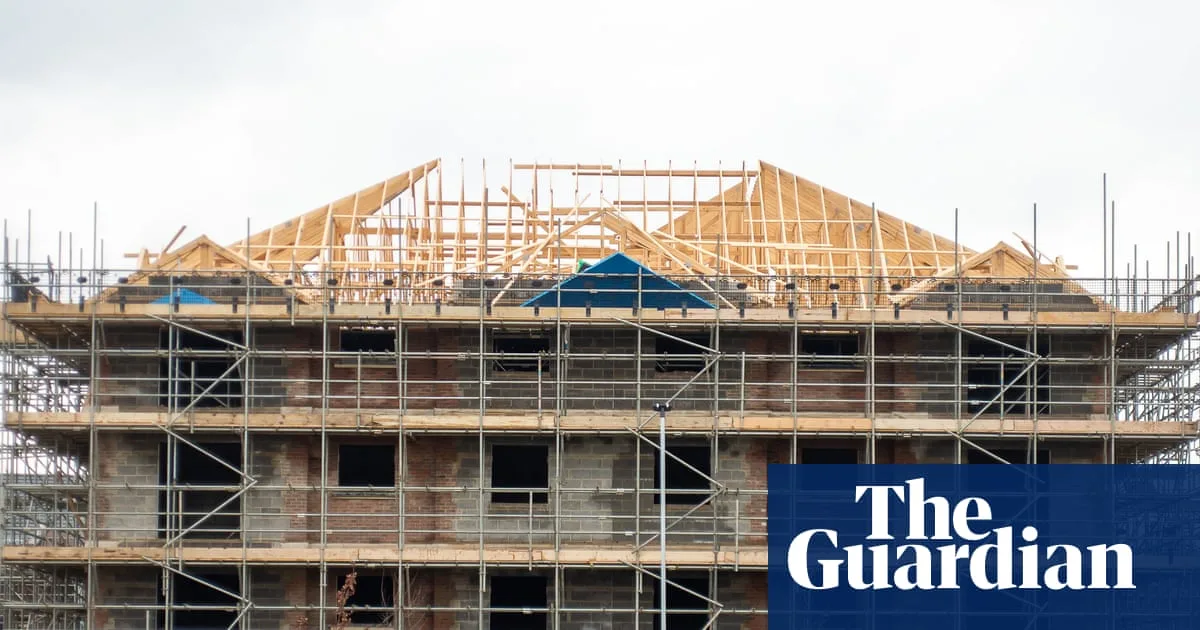
Housebuilding suffered the deepest slump since May 2020, when sites were closed due to the Covid-19 lockdown, with the subindex dropping to 33.5. Commercial output also fell at the fastest pace in over five and a half years, with an index of 42. Civil engineering remained the weakest sector at 32.9, though the pace of decline eased.
Tim Moore, economics director at S&P Global Market Intelligence, said: “UK construction companies once again reported challenging business conditions and falling workloads in December, but the speed of the downturn moderated from the five-and-a-half-year record seen in November. Many firms cited subdued demand and fragile client confidence.”
Despite the downturn, optimism among construction firms rose to its highest level since July, supported by expectations of lower borrowing costs and reduced uncertainty following the November budget. Some 37% of companies predicted a rise in output over the next 12 months, against 20% forecasting a decline. Rising infrastructure spending and weaker inflationary pressures also boosted confidence.
However, Elliott Jordan-Doak, senior UK economist at Pantheon Macroeconomics, cautioned: “We expect the construction PMI itself to remain subdued in the coming months, given how entrenched negative sentiment appears to be within the sector. The budget’s prioritisation of higher welfare spending rather than investment will come as a disappointment to many builders, and the boost to activity from falling interest rates will be modest this year.”
The all-sector PMI, covering services, manufacturing and construction, edged up to 50.4 in December from 50.1 in November, indicating slight overall economic expansion. Meanwhile, UK house prices fell unexpectedly in December, but Nationwide building society forecasts a rise of up to 4% this year, driven by first-time buyers.




