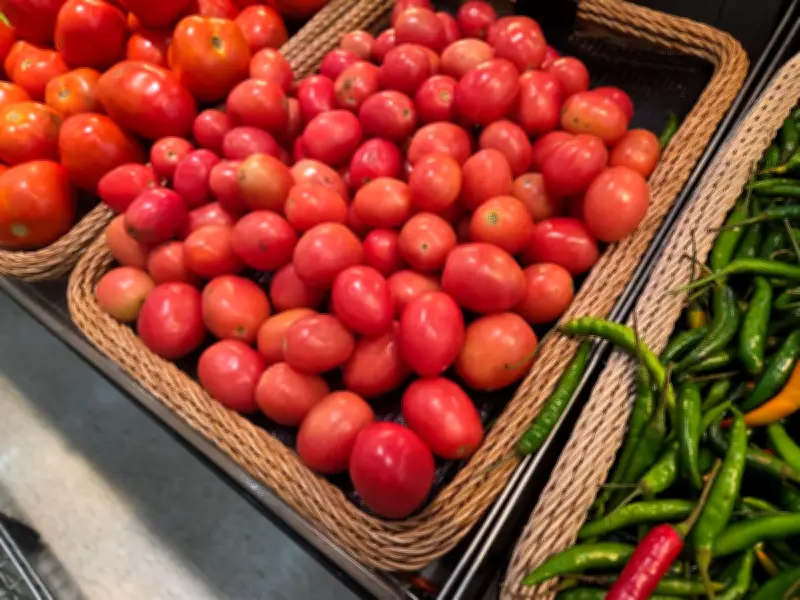
Tomato lovers in Wales may face higher prices as a leading producer warns that soaring energy costs could push up the cost of the popular fruit. Mutti, an Italian brand known for tinned tomatoes, purées, and sauces, has cautioned that prices might rise if oil prices remain elevated during the critical summer harvest period from July to September.
Energy Costs 50% Higher Than Expected
According to Mutti, energy expenses are approximately 50% higher than anticipated due to the ongoing conflict in Iran, which continues to impact oil and gas costs. The company consumes roughly three-quarters of its annual energy expenditure during the peak European tomato season, when tomatoes are harvested and processed at higher volumes for global distribution.
Chief executive Francesco Mutti noted that the business has refrained from raising prices so far but emphasized that the window between July and September would be pivotal in determining next steps. He stated, according to the Grocery Gazette, that the company would reassess its position once the harvest concludes, with any potential price increases coming after the season ends.

Impact on British Growers and Supermarket Shelves
British growers who rely on glasshouses have been hit by rising fertilizer costs and soaring energy bills. The British Tomato Growers Association reported that some producers faced electricity standing charges increasing by as much as 80% from April. Shoppers have also noticed bare patches on supermarket shelves where tomatoes, peppers, and cucumbers would normally be found.
In UK supermarkets, tins of Mutti Polpa chopped tomatoes retail for around £1.60, competing with Napolina for the top non-supermarket tomato brand. Mutti said this year's Italian tomato harvest would be a "key element" in deciding whether prices need to rise.
Fresh Tomatoes Already Affected
The impact on fresh tomatoes has already been felt by shoppers across the country. The warning from Mutti highlights the broader challenges facing the tomato industry, from energy costs to geopolitical tensions, which could lead to higher prices for consumers in Wales and beyond.