A disheartened shopkeeper has voiced the concerns of an entire community about his "dying" town. Pwllheli, once a gem of the Llŷn Peninsula, now appears to locals and tourists as a "ghost town." Every year, millions of holidaymakers pass through this coastal gateway, but fewer are stopping as businesses shut down. Long-standing caravan owners have abandoned the area, and visitors are shocked by the decline. "Even half the charity shops were shut when I visited," one woman commented online.
Businessman's frustration
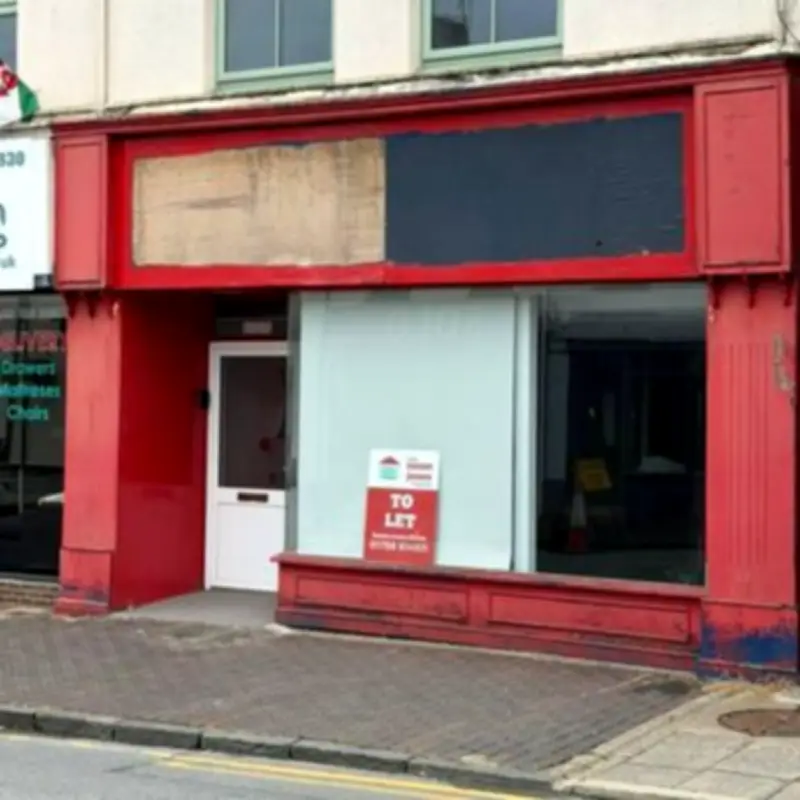
Gavin Nicholas recently shared photos of properties on Gaol Street that were once occupied by local businesses. A few years ago, the street was a bustling hub with around 30 shops; today, only eight survive. As Mr Nicholas battles rising costs and business rates, his frustration is echoed by celebrity potter Keith Brymer Jones, whose renovation of Pwllheli's derelict Capel Salem was featured in Channel 4's Our Welsh Chapel Dream. Mr Jones wrote online: "The business rates are killing the High Street. It's not rocket science. Other places have reduced rates to breathe life back into high streets, and it works!" He added, "It's incredibly short-sighted not to support small independent businesses."
Local business owner's regret
A local business owner has expressed regret at opening a shop in a town with dwindling footfall. The town's mayor, who also closed her own premises, has promised to prioritise the issue at the next council meeting. Recently unveiled murals have been well-received but haven't lifted the gloom. Locals demand cheaper parking, while others blame out-of-town retailers like Aldi and Asda for overpowering independents. Some call for a comprehensive town centre reimagining with support for local enterprises and attractions like a food hall.

Impact on TE Hughes
Mr Nicholas, 48, runs TE Hughes, a century-old business selling blinds, curtains, and paint. He took over a decade ago and recalls when Gaol Street was "bumper-to-bumper" with diverse offerings. Now, the cost-of-living crisis and government policy are damaging his enterprise. Staff numbers have dropped from seven to two, and closing time moved to 2pm. In a social media post, he wrote: "When will this attack on small businesses end? Something has to change immediately." The post sparked a large response, with locals recalling the "beautiful" town they lost.
Business rates burden
In April, TE Hughes was moved into the highest business rates banding, losing all relief despite over half the premises being empty. Appeals to the UK Valuation Office Agency failed. "We're being charged like a big supermarket," Mr Nicholas protested. Overheads rise while customers struggle. Minimum wage and National Insurance increases add pressure, with minimum pay costs around £20 an hour. Unable to hire staff, he works exhaustively. Many others have given up. "On our street, the newsagent became a homeless shelter. A coffee shop that brought people closed. A popular shoe shop closed because it wasn't worth it," he said.
Wider impact
Opponents of business rates say they hinder productivity and damage communities. Bills can rise even when income falls, taxing premises size rather than challenges. Transitional support in Wales offers some relief, but bills still climb. In the 2026-27 Welsh budget, pubs, music venues, and restaurants received extra relief. Mr Nicholas calls for a fundamental overhaul to foster enterprise. "People are getting angrier. There's little incentive to work hard when every penny is taken. This perfect storm affects Pwllheli, Bangor, and Caernarfon," he said. He worries about societal effects: "Lack of money forces people to shop online. The tone of calls has become angrier. People feel squeezed from all sides."

Second homes impact
Business at TE Hughes has dropped since Cyngor Gwynedd targeted second homes, as owners who commissioned annual refurbishments have left. A Cheshire caravan owner, holidaying near Pwllheli for 32 years, cited longer journey times and Wales' 20mph speed limit as reasons for leaving. "We gave up in March. My boat is for sale. Regular visitors are walking away, taking cash from the local economy," he said. Internet retailers also bear responsibility, but Pwllheli still holds appeal. Residents and tourists want better access, affordable parking, and enhanced signposting. Pedestrianisation and outdoor dining have been suggested to create a "Wow factor."
Council efforts
An Altrincham caravan owner said Pwllheli has "SO much potential." Inaction is not an option; one woman warned of watching "Pwllheli town centre die." Last Tuesday, the council held a drop-in event for high street businesses. In 2024, a placemaking plan outlined improvements to the High Street and North Quay waterfront, identified as having potential for retail, leisure, and hospitality. A six-month trial of partial pedestrianisation from Market Square to Stryd Moch is planned. Commercial property owners in Pwllheli and Bangor can apply for improvement grants of £2,500 to £10,000, covering 70% of costs for enhancing building exteriors and signage.
Council statement
A council spokesperson said: "Like many high streets across the UK, Pwllheli has faced challenges. Cyngor Gwynedd is working with stakeholders to develop new initiatives. The placemaking plan focuses on revitalising the high street. Over three years, we have distributed over £3m in business grants. We recently adopted a new Economic Strategy to strengthen the economy." The council added that business rates are calculated using Rateable Value and a multiplier, with the Valuation Office setting the former and the Welsh Government the latter. Businesses with queries can contact the council.