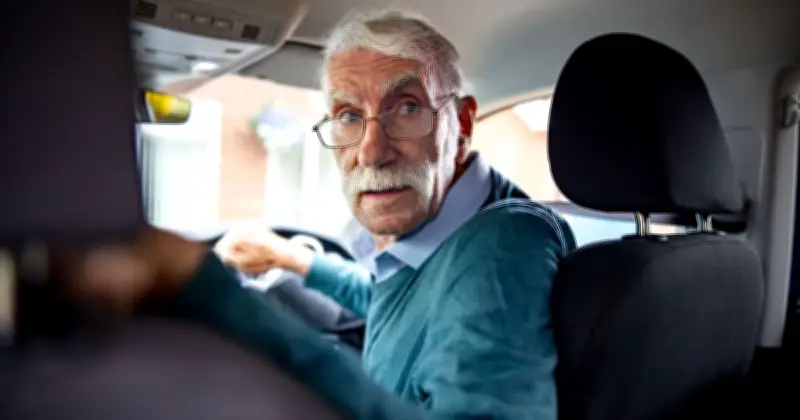
Pensioners and older drivers above the age of 70 are among those affected by car tax increases in 2026. Elderly road users are given no special treatment around tax fees, with individuals paying the same Vehicle Excise Duty (VED) fees as other road users.
VED rates rise for newer vehicles
VED rates vary depending on the make and model of the vehicle, but are a legal requirement to get behind the wheel and use the road. VED fees rise every Spring, with rates for newer vehicles built since 2017 already rising from £195 to £200 per annum back on April 1, 2026.
It isn't the only change, with different VED rates for older vehicles. Meanwhile, elderly drivers are also liable to pay Expensive Car Supplement (ECS) fees if they splash out on an expensive new car.
Age UK outlines the changes
Earlier this year, specialists at Age UK said: “The standard car tax rate is increasing to £200 for all cars registered after April 2017. The Expensive Car Supplement is rising to £440 per year, applicable to brand-new cars worth £40,000+.
“For cars registered between 1st March 2001 and 31st March 2017, car tax may increase. However, cars with emissions between 101-120g/km won’t see any cost changes for car tax.”
Exemptions available for some pensioners
Older drivers are not exempt from tax fees because VED is a fee applied on the vehicle itself and not based on the driver demographic. However, there are ways that some pensioners can get around the fee with a series of exemptions in place.
Older drivers receiving mobility allowances, such as the higher rate mobility component of Disability Living Allowance or PIP, may be liable for savings. These road users are allowed to claim a 100% VED exemption in a massive boost for cash-strapped road users.
Meanwhile, pensioners behind the wheel of older vehicles which have been manufactured more than 40 years ago automatically qualify for a historic vehicle tax exemption.
Motorists who get behind the wheel without valid tax in place risk being slapped with penalties that can range from fines, penalty points or more. In some cases, road users may even have their vehicle seized in what would be a major blow.