
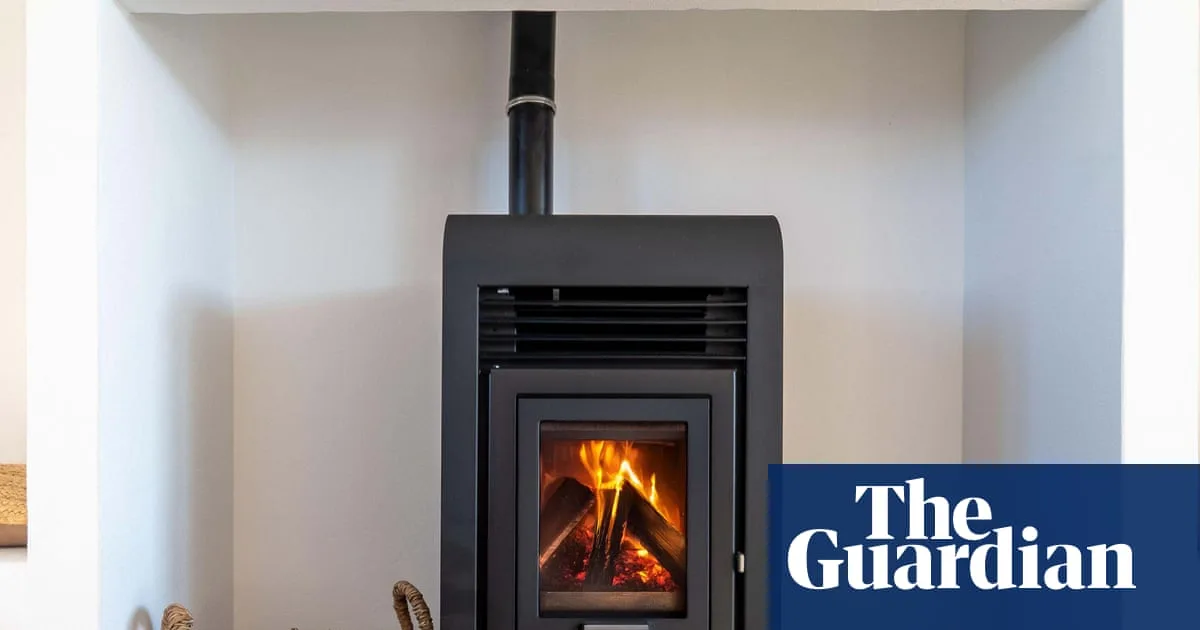
At least eight councils in London have received legal threats from lobbyists for the UK wood-burning stove industry over public information campaigns warning of the harms of air pollution, according to research by the British Medical Journal (BMJ). The Stove Industry Association (SIA) wrote to the councils in late 2023, complaining that flyers stating wood burners were “careless, not cosy” breached UK advertising codes.
The BMJ, which sent Freedom of Information requests to the 50 councils with the highest concentration of wood burners, also found that two other councils faced criticism. Oxford City Council received a complaint from the SIA in December 2022 about a public health campaign, but that approach stopped short of legal threats. Brighton and Hove was subject to a complaint by Hove Wood Burners to the Advertising Standards Authority.
A further seven councils were lobbied by the SIA over wood burning, with some material including claims that wood burning – which produces carcinogenic byproducts – provided “health and wellbeing benefits”, including lowering blood pressure. Jemima Hartshorn, founder of the pressure group Mums for Lungs, said she was shocked by the findings, comparing the tactics to those of the tobacco industry.
The SIA spokesperson said: “The SIA has never sought to prevent councils from improving air quality or running public health campaigns. Our correspondence with local authorities was aimed at ensuring their marketing campaigns were proportionate, contained a balanced view and, most importantly, distinguished clearly between open fires, older appliances and modern eco-design-compliant stoves.” However, eco-design stoves still produce PM2.5 particles about 450 times greater than gas boilers, and recent research linked wood burning to 2,500 deaths a year in the UK.
Domestic burning now contributes about 20% of fine particulate matter emissions in the UK, with about one in 10 households having a wood-burning stove. The government is running a consultation on wood-burning stoves, but health campaigners have criticised it for omitting any option to ban or restrict their use in urban settings. The consultation ends on 19 March.




