
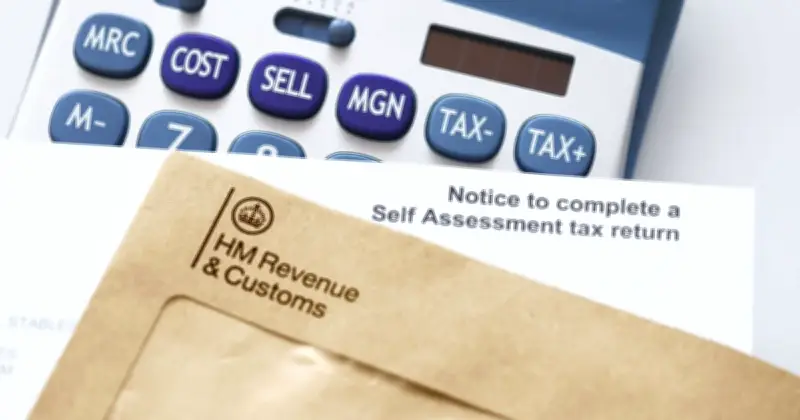
HMRC could be granted the authority to recover unpaid tax directly from individuals' bank accounts for debts as small as 1p, according to new Government proposals now open for consultation. The plans would eliminate the current £1,000 minimum debt threshold required for HMRC to use its Direct Recovery of Debts (DRD) powers, which have been in place since 2015.
Removal of Safeguards and Thresholds
The consultation also proposes scrapping the existing rule that mandates HMRC to leave at least £5,000 in a taxpayer's account after recovering money. If approved, the tax authority could, in theory, recover debts of any value, though ministers insist the powers would only target individuals who can afford to pay but repeatedly refuse to do so.
Currently, HMRC can only recover money directly from bank accounts when a taxpayer owes more than £1,000. The proposal does not mean HMRC would automatically take 1p from every taxpayer; instead, removing the threshold would allow officials to pursue smaller unpaid tax debts where someone has persistently ignored payment requests.
Scope and Impact of the Proposals
HMRC estimates that fewer than 250,000 individuals and businesses each year would be eligible for the expanded powers, with even fewer expected to end up on automatic repayment plans. The measures are part of broader efforts to reduce the UK's tax gap, which reached £59.2 billion in 2024-25, up from £46.8 billion the previous year.
According to HMRC, more than 750,000 lower-value tax debts worth over £2 billion go uncollected annually, despite officials attempting to contact taxpayers at least 10 times.
Concerns from Tax Experts
The proposals have sparked concern among tax experts, who argue they could grant HMRC excessive power. Nimesh Shah of tax firm Blick Rothenberg stated: "I have some sympathy for HMRC for having to expend significant time to chase smaller amounts and the associated time and cost can be higher than the amount involved." However, he warned: "My concern is that this could be used as a 'sledgehammer' by HMRC without the proper safeguards in place." He added: "There is also the issue of where HMRC have assessed the incorrect amount of tax and they then use this power to recover an amount which actually isn't due."
Victoria Todd of the Low Incomes Tax Reform Group questioned whether the proposals adequately protect lower-income individuals. She said: "We are particularly concerned that the proposals do not currently include a minimum amount that must be left in a taxpayer's account." She added: "For those living on a tight budget, deductions could leave them struggling to meet essential living costs." Todd emphasised that HMRC would need robust systems to identify vulnerable taxpayers and distinguish them from those deliberately refusing to pay.
Robert Salter, also of Blick Rothenberg, raised further concerns: "Is there a risk that such automatic collection arrangements could drive taxpayers into further debt?"
Government Defence and Next Steps
Defending the plans, Exchequer Secretary to the Treasury Dan Tomlinson said: "The vast majority pay on time and in full, so it's vital for a fair tax system that we seek to recover debt from those who can afford to pay but refuse to." He added: "These extended powers would ensure fairness for all taxpayers, while support will continue to be offered to those wanting help with their payments."
HMRC has suggested that deductions could be capped at 50% of a person's disposable income, though that proposal is still under consideration. The consultation is open until August 28.




