
The government has distanced itself from reports that state pension payments could be automatically taxed from next year, following a research proposal commissioned by the Department for Work and Pensions (DWP).
Proposal Details
The proposal, reportedly circulated around Whitehall, suggests that state pension payments be treated like PAYE on salaries, with income tax deducted before the money reaches pensioners’ bank accounts. The basic rate of 20% would be applied, with refunds available at the end of the tax year for those who have no other income and thus pay too much tax.
The full new state pension is currently worth £12,547.60 per year, and due to the triple lock—which raises the pension annually by inflation, earnings, or 2.5%—it is guaranteed to exceed the personal allowance limit of £12,570 next April. This would make more pensioners liable for income tax on their state pension.
Government Response
A Government spokesperson told Express: “There has been no change to the tax treatment of the State Pension. The Government routinely undertakes research to better understand pensioners' experiences with the tax system.” This statement distances the government from implementing the proposal.
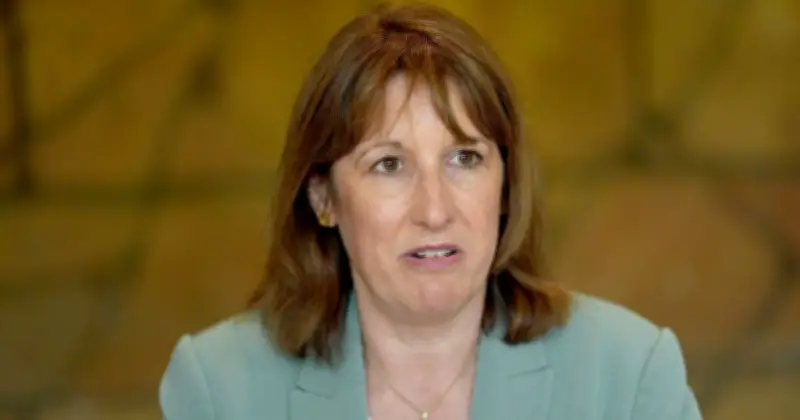
In the 2025 Budget, Chancellor Rachel Reeves stated that pensioners whose sole income is the state pension would not have to pay tax, even if it exceeds the personal allowance. She added in an ITV interview: “If you just have a state pension, you don’t have any other pension, we are not going to make you fill in a tax return.” However, the new proposal would reportedly tax all pensioners at source, including those relying solely on the state pension, with refunds processed later.
Impact and Implementation
Currently, HMRC collects tax on pension income by adjusting tax codes or through a Simple Assessment at year-end. Changing to automatic deduction would require major updates to the tax system, which reports suggest the government may outsource to a private sector contractor.
DWP data from 2024, analysed by Royal London, shows that just over half of new state pension recipients receive the full amount; others get a portion based on their National Insurance record. Therefore, not all pensioners will be affected by the personal allowance breach.




