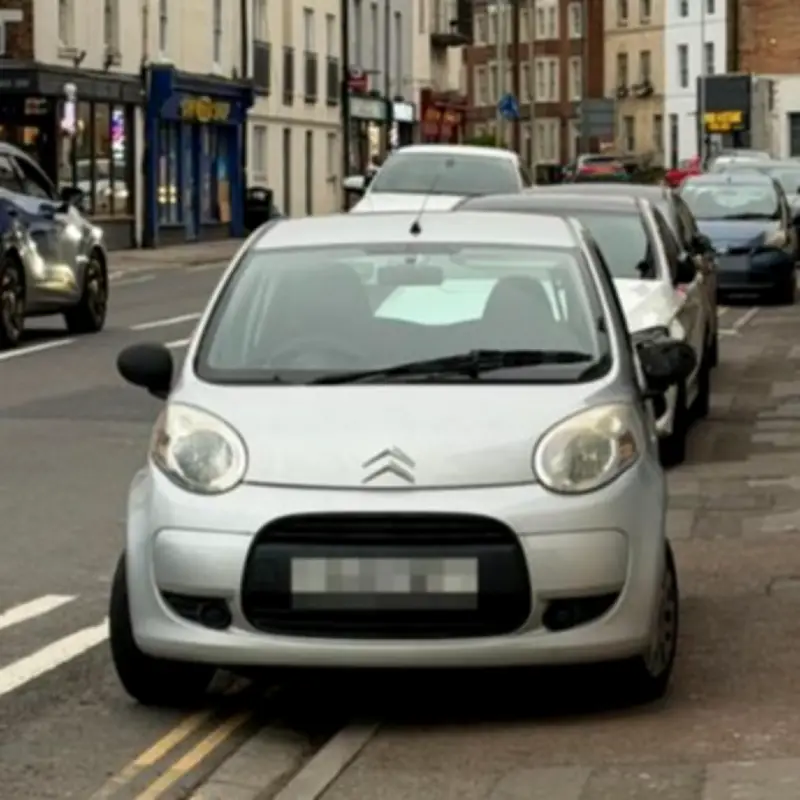
A conflict between neighbours over parking on a residential street has highlighted a common blindspot in UK driving law, specifically regarding dropped kerbs. The dispute, which unfolded in Brislington, Bristol, has prompted questions about the legal requirements for driveway access.
The Dispute
Astrid Cooper, 34, found several notes taped to her car asking her to park elsewhere. Her neighbour, who converted their front garden into a driveway last year, demanded she move her vehicle. However, Cooper pointed out that the driveway lacks a dropped kerb, making the arrangement non-compliant with the law.
Legal Requirements Under the Highways Act 1980
Under the Highways Act 1980, it is an offence to drive over a footway without a dropped kerb. This regulation is designed to prevent long-term damage to pavements and underlying utilities. A dropped kerb also provides a smooth transition from the road to the driveway, reducing accident risks. Without it, the driveway is legally just a parking space in the garden with no official road access.

The pavement outside a house belongs to the local council. Driving over it to access a private drive breaches the Highways Act. If a resident repeatedly drives over the pavement, the council can intervene by installing a proper dropped kerb or imposing usage rules.
Council Response
Bristol City Council declined to comment on Cooper's specific case but confirmed that a dropped kerb is required for legal access across the highway.
Pavement Parking Rules
Pavement parking is legal outside Scotland and London in the UK. Elsewhere, the law varies, but it is generally allowed. However, councils across England are set to receive more extensive powers to fine motorists who cause disruption by parking on the pavement. These new powers are expected to take effect later this year, alongside guidance on proportionate enforcement.
For drivers, understanding these rules is crucial to avoid disputes and potential penalties. The case in Bristol serves as a reminder that driveway modifications must comply with legal standards to prevent conflicts and ensure safety.