
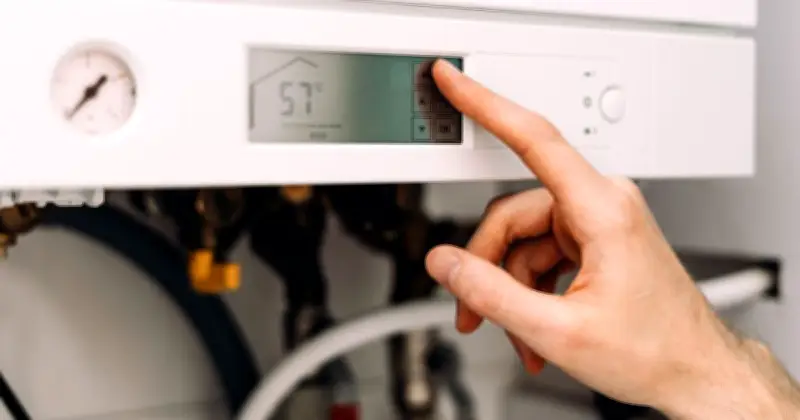
Adjusting a single boiler setting in July can make homes cooler and reduce energy bills, according to gas safe engineer Patrick Garner from Heatable. Many households leave their boilers in modes that unnecessarily heat the home and consume gas even when central heating is switched off.
Why Homes Stay Hot and Bills Remain High
Patrick Garner explained that for homes with a gas combi boiler, the hot water setting is often the culprit. Even with heating off, every shower, hot tap use, or washing up session causes the boiler to fire up. Each short burst releases heat from the boiler's casing, pipework, and flue, adding warmth to the home while consuming gas. “Once the heating is off, hot water becomes the main thing still using gas,” Garner said. “In homes with several people showering every day, the cost soon adds up.”
Three Simple Settings to Check
First, ensure the boiler is set to hot-water-only mode. Leaving both heating and hot water enabled can cause the heating to activate unexpectedly during a cool snap or due to a poorly positioned thermostat. Second, check the hot water temperature on the boiler. For combi boilers, a temperature of 45°C to 50°C is generally comfortable for taps and showers. Garner warned: “Importantly, this only applies to combi boilers. If your home has a hot water cylinder, do not reduce the stored water temperature below 60°C to avoid the risk of Legionella.” Third, disable pre-heat or comfort mode, which keeps a small amount of water warm inside the boiler for faster hot water delivery. This mode causes the boiler to fire on and off throughout the day, even when no one is using hot water. “Pre-heat mode constantly adds heat to your home and inflates your bills,” Garner added.
Additional Tips to Cut Costs and Lower Temperatures
Saving washing up for one large batch at the end of the day reduces the number of short heating bursts. Fixing dripping hot taps lowers both gas and water bills. Garner advised against unnecessary upgrades like solar diverters, which only make sense for homes with solar panels, a hot water cylinder, and an immersion heater—not for standard combi boilers. He noted: “You pay a standing charge of around 30p a day for being connected to the gas network, so you’ll never get your bill down to zero. But a few changes can make a big difference overall.”




