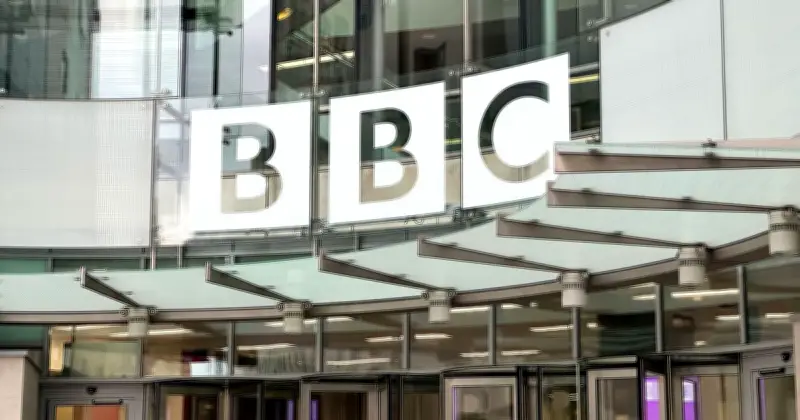
UK households face a rise in the BBC TV licence fee, with the annual cost expected to exceed £200 within five years. Forecasts from the Office for Budget Responsibility (OBR) indicate the fee will increase to £202.60 by 2031, up from its current level of £180, if it continues to rise with inflation.
Decline in Licence Fee Payers
The number of people paying the BBC licence fee is expected to fall by 2.7 million over the next five years to just 19 million. This marks a significant drop from the OBR's previous forecast in March, when it predicted that 21 million people would still be paying the fee by 2031.
The BBC lost around half a million licence-fee payers last year, with bosses warning of a "steeper than projected decline" in recent months. This resulted in the BBC losing more than £1 billion from people cancelling their TV licence or failing to pay for it.
Shift to Streaming Services
More households are favouring streaming services such as Netflix, Disney Plus and Amazon Prime over the BBC, while younger audiences are turning to platforms like YouTube and TikTok.
According to The Independent, the BBC licence fee could be extended to online streaming services such as Netflix and YouTube under new Government plans to prevent people from avoiding it by accessing the internet via their phones, tablets or laptops.
Charter Renewal and Funding Reform
A White Paper on the BBC's charter renewal is expected to be published before Christmas, setting out how the corporation will be governed, regulated and funded from 2028 onwards. Under current rules, anyone who uses a TV to watch content must pay the licence fee, even if they don't watch the BBC. The proposed changes could see the fee expand to streamers including Amazon and Disney Plus, which are currently exempt.
The publication reports that the new arrangements have been called the "YouTube tax" because the site is by far the biggest online video platform in the UK.
A BBC spokesperson said: "We have consistently argued that the current funding model is outdated and needs reform. We will continue to engage with Government to secure a new charter that provides sustainable, sufficient and universal funding so the BBC can deliver for audiences for generations to come."
BBC Director-General's View
BBC director-general Matt Brittin said in September that he wants BBC News to be on streaming sites such as Netflix in a bid to reform how the broadcaster's content is consumed and paid for. He has also said the corporation is "held back" by its licence fee, which is "no longer fit for purpose", and suggested a household levy as a potential funding option.
Speaking on the Sunday With Laura Kuenssberg programme, he said: "What we need to look at is the current model. You pay the licence fee if you watch live TV or you're on iPlayer. I'd like to see reform that allows us to be where audiences are. I think BBC content should be on Netflix, on YouTube, on TikTok, on Spotify, and Instagram, and everywhere where audiences are."
The Department for Culture, Media and Sport (DCMS) recommended that the BBC extend the licence fee to cover services other than TV after saying its current model was "outdated and no longer fit for purpose", while also suggesting that the BBC reduce the cost from its current price of £180 per year.
The DCMS said in a statement: "The BBC must be funded by a model that is sustainable and fair to all those that are paying it. Through charter review, we are looking at a range of options, including how the licence fee could be reformed, but no final decisions have been made."