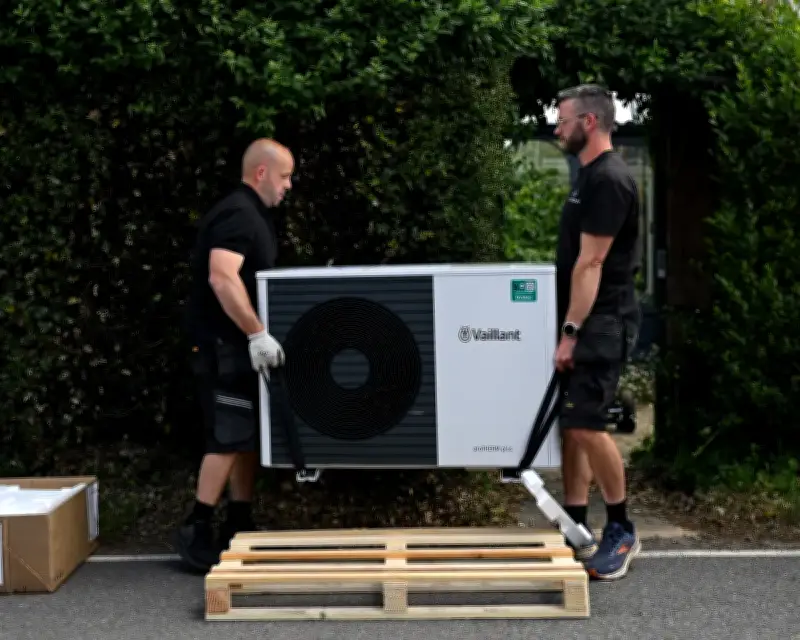
Britain is unlikely to hit its green heating targets after the budget cuts announced by John Healey this week, experts have warned, with critics saying the former energy secretary Ed Miliband's green agenda is being dismantled.
The chancellor unveiled more than £3bn worth of cuts to the energy department's budget, much of which will fund higher defence spending. One casualty is the government's scheme to subsidise heat pumps, prompting warnings that clean heating ambitions are being undermined.
Impact on heat pump scheme
Healey announced on Wednesday that the government would fund the defence investment plan in part through cuts to other departments, with much coming from the energy department, including £741m from the boiler upgrade scheme. Under the scheme, a typical household can claim £7,500 towards a heat pump, with about 60,000 a year being fitted in existing homes. The government had a target to raise that to 250,000 a year by 2030, and planned to increase the scheme's funding from £400m this year to just over £700m by 2029-30.
However, ministers said on Wednesday the scheme's funding would rise only in line with inflation, meaning the number of installations is likely to stagnate or rise much more slowly than previously planned. Andrew Sissons, a director at the research charity Nesta, said: "After the cuts announced on Wednesday, it is very difficult to see how we can hit our clean heating targets. It is even possible that a Labour government will be the first to miss the targets it has signed up to in the current carbon budget."
Broader cuts to green projects
The cuts to heat pump subsidies came alongside about £250m of other cuts to the warm homes plan, £500m worth of cuts to hydrogen schemes, and £200m to funding for carbon capture and storage technology – all projects once championed by Miliband. Healey also announced that renewable projects would only be approved in future if they could be shown to bring costs down and were ready to be connected with the grid.
Officials insist the government remains committed to its target of having clean power by 2030, though many experts believe that will be impossible under the new system. One government source said: "This is probably the most significant shift we have seen in energy policy since we came to office. The emphasis now is on cost, not just building to make sure there is enough capacity to hit our green targets."
Political reactions and defence priorities
Paul Ovenden, a former adviser to Keir Starmer, said: "It is fascinating to see the energy capital budgets being raided to fund defence – this is the bones of Ed Miliband's project being picked clean. This was something that has been discussed in government before – but Miliband always won that argument. Now he's not in that department any more, it's happened." He added: "Had he not helped to oust Starmer and Reeves, he'd probably be in post still and it wouldn't have been possible."
But allies of Miliband and Fahnbulleh insisted the government's green agenda remained as strong as ever. They pointed out that Healey also announced a long-term move to shift green costs away from bills and on to taxpayers, and that the government's intention to change energy markets so electricity prices are no longer so attached to gas prices would help encourage consumers to move away from fossil fuels. One source said: "Ed and Miatta have both made affordability their focus. It would be wrong to suggest that prioritising cost is in any way a shift away from the green agenda."
A spokesperson for the energy department said: "Over the last two years, we have made considerable progress, thanks to the momentum of clean power 2030, seeing £110bn of private-sector investment announced and securing enough clean power for over 20m homes. We are committed to making the most of clean, homegrown power and meeting our heat pump target to protect consumers from volatile fossil fuel prices."