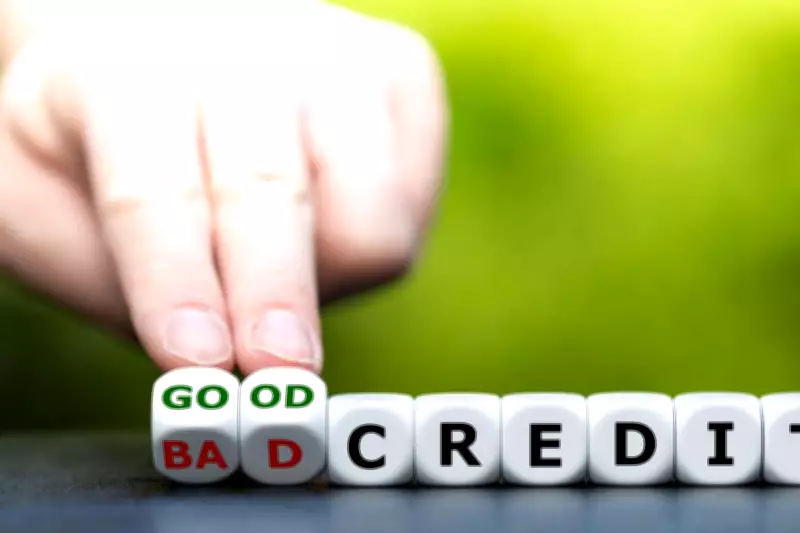
A bad credit score can have a profound effect on your financial well-being and, consequently, your overall quality of life. It indicates that your credit history—your track record of borrowing money in the past—is poor, making lenders less inclined to extend credit. If they do offer credit, it often comes with higher interest rates or smaller loan amounts.
Financial experts provide insights into what constitutes a bad credit score and offer advice on how to improve it.
Understanding Bad Credit Scores
Lilly Aaron, senior policy manager at the Money and Pensions Service (MaPS), explains: "Every adult in the UK has a credit score—a set of numbers that shows how attractive you might be to lenders. A poor credit score is anything that might put them off, such as a track record of missed or late payments. A 'bad' credit score can sound alarming, but in practice it's less about one wrong number and more about what lenders see when they look at your borrowing history."

Helen Saxon, deputy editor at MoneySavingExpert, adds that credit scores from credit reference agencies are merely an indication of how well you've managed credit in the past. Lenders do not see your credit score directly; they review the data on your credit report and make decisions based on that. However, a bad credit score typically reflects poor credit management.
Transactions That Affect Your Credit Score
Various financial transactions can impact your credit score, according to Saxon. These include maxing out multiple credit cards and loans, making numerous credit applications in a short period (which may signal desperation for cash), and, most critically, having county court judgements (CCJs), bankruptcy, missed repayments, or loan defaults. Defaults remain on your credit file for six years from the date of default, regardless of whether the debt is repaid.
"If you have some or all of these in your credit history, lenders will likely conclude that you may struggle to repay borrowed money," warns Saxon. "Consequently, they may turn you down or offer credit at low amounts with high interest rates."
No Universal Credit Score
In the UK, there is no single score that universally defines a 'bad' credit rating. The three main credit reference agencies—Experian, Equifax, and TransUnion—each use different scoring systems. Aaron notes: "Your score can look different depending on who calculates it. In general, a lower score can make borrowing harder, but lenders still apply their own rules when making decisions."
Not Borrowing Can Also Be a Problem
Having no loans does not guarantee a perfect credit score. Aaron explains: "Being new to using credit or having only a limited borrowing history can work against you because firms have less evidence of how you manage repayments."
Beyond Borrowing: Other Impacts
A bad credit score can affect more than just loans and credit cards. It can hinder your ability to secure a rental property, as landlords often review credit reports. Insurance premiums may also be higher due to a poor credit score. Even mobile phone contract deals can be affected, warns Saxon.
How to Improve Your Credit Score
The good news is that a bad credit score is not permanent. Saxon emphasizes: "A bad credit history isn't permanent. It reflects past behaviour, but it can change with new, better habits." The most crucial step is to make repayments and pay bills on time. Consistently doing so over a sufficient period will build a positive track record that gradually replaces your poor credit history.
Keeping borrowing well within limits demonstrates financial control, and avoiding a flurry of new credit applications prevents further negative signals.

Practical Steps to Boost Your Score
- Check your credit reports: Ensure all details are correct across all three credit reference agencies (CRAs). Report any mistakes immediately, as even a typo in your address can affect an application.
- Register to vote: Councils send voter data to CRAs monthly. If you weren't registered, this simple step could improve your score within eight weeks.
- Manage a current account: Open and responsibly manage a current account, staying within your overdraft limit.
- Be cautious with joint accounts: The other person's credit history can affect yours.
- Set up direct debits: Automate bill payments to avoid missed deadlines.
- Consider a low-limit credit card: If struggling to get credit, a card from a regulated provider with a low limit can help build your score. However, avoid products marketed as credit-building that charge high interest or fees, as they may harm your score.
- Use eligibility checkers: Before applying for credit, use free eligibility checkers provided by CRAs or financial websites like MoneySavingExpert.
Monitor Your Progress
Saxon advises regularly checking your credit score. You can access your credit report for free by signing up with the three main credit reference agencies. "If you stick to good habits, you should see your score improve over time," she says.
For more information on what your credit score means, visit the MaPS Money Helper service.