
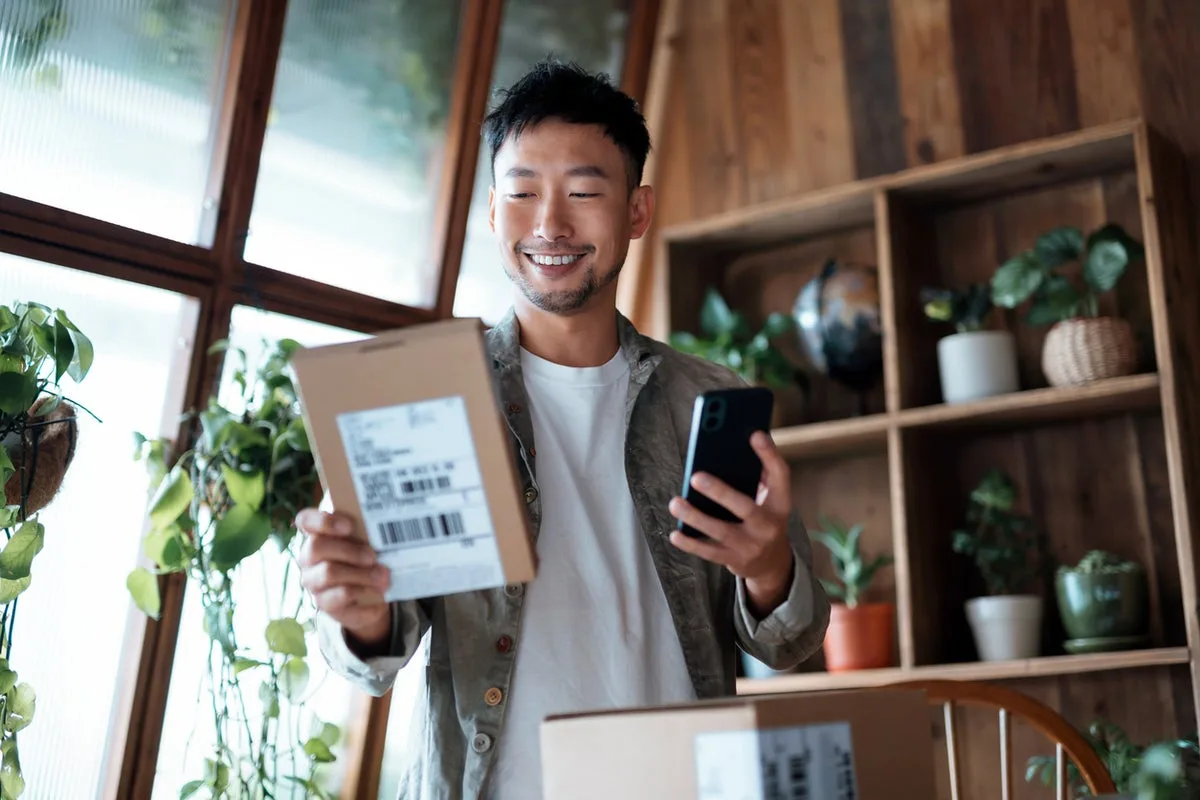
When shoppers buy from an independent seller on Etsy or Shopify, they often feel they are voting against corporate giants. Yet the parcel that arrives, in unmarked brown cardboard, may have been picked, packed and shipped by Amazon. The company’s announcement on 4 May 2026 of Amazon Supply Chain Services extends this invisible infrastructure to all businesses, raising questions about what it means to support small firms.
The service opens Amazon’s warehouses, trucks and delivery network – built over decades for its own retail operations – to outside companies. Procter & Gamble, 3M, Lands’ End and American Eagle are among the first customers. Most coverage framed the move as a challenge to UPS and FedEx, but the deeper shift is for consumers.
According to a 2024 Pew Research survey, 86% of Americans believe small businesses have a positive effect on the country. Many shoppers have redirected spending towards smaller brands, but researchers who study consumer behaviour see a dilemma. Dragon Glassware, a kitchenware company founded in a Sacramento garage in 2017, sells through Shopify but fulfils orders from an Amazon warehouse. Poppi, a soft drink brand that began at a Texas farmers market and was sold to PepsiCo in 2025 for nearly US$2bn, used Amazon to ship orders from its own website.
Amazon’s Multi-Channel Fulfilment programme now serves more than 200,000 US merchants, according to the company, and handled orders for Shopify, Etsy, eBay and TikTok Shop sellers. Packaging is deliberately unmarked, so customers rarely know the delivery giant is involved. The May 4 expansion means the service is no longer limited to smaller brands; it is open to every size of company.
The economics are compelling for Amazon. It charges a fulfilment fee of roughly $15 for a three-pound, two-day parcel, plus monthly storage fees, and gains real-time data on what competitors sell, to whom and when. Andy Jassy, Amazon’s chief executive, described Supply Chain Services as a ‘major growth opportunity’, comparing it with Amazon Web Services, which became a dominant cloud platform without most users knowing it.
For small businesses, the shift is not about betrayal but arithmetic. A founder shipping from a garage might take three to five days to deliver a wine glass; Amazon’s network promises two. After 15 years of Prime, two-day delivery is the default expectation. Supporting a small brand may still feel distinct, but the supply chain underneath is increasingly a single, very large one.




