The Lingering Legacy of a 1930s Seaside Dream
Envisioned as an idyllic retreat for holidaymakers seeking coastal properties, the Sandy Cove Estate in Kinmel Bay, Wales, has instead become a source of enduring distress and a multi-million-pound financial headache. Originally developed in the 1930s by Kinmel Estates Ltd as a holiday village, the estate's picturesque location beside a golden sandy beach initially sparked a buying frenzy, with most plots sold by the mid-1940s. However, this rapid expansion came with a hidden cost: critical infrastructure deficiencies that have plagued residents for generations.
Historical Warnings and Parliamentary Concerns
As early as 1944, significant alarms were raised about the estate's fundamental shortcomings. Denbigh MP Sir Henry Morris-Jones brought the issue to Parliament, highlighting the absence of proper sanitation, sewerage, and road systems. He lamented that funds from purchasers intended for these works were lost when the company entered liquidation, leaving a "beautiful site... largely ruined" and causing "misery and discomfort to many people." While sewage and sanitation problems were eventually addressed in subsequent years, the inadequate road network has remained a persistent blight.
The Modern Reality: Unadopted Roads and Resident Struggles
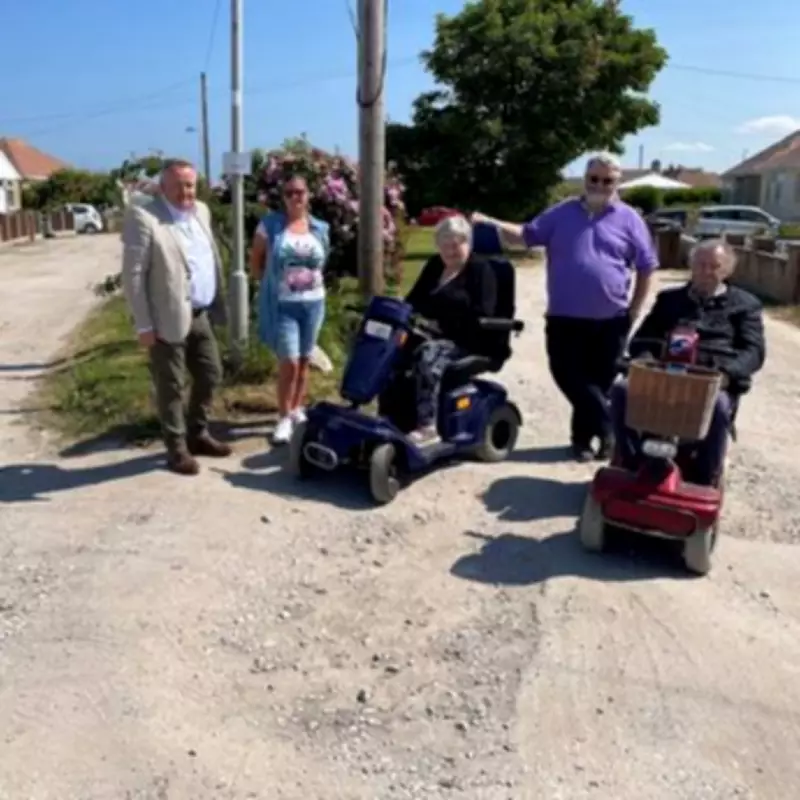
Today, the vast majority of the estate's 250 homes are in local ownership, but the roads connecting them remain unadopted. This status means they are not maintained at public expense by Conwy County Borough Council, forcing residents to contend with enormous potholes that flood during wet weather, a lack of proper lighting, and absent pavements. The land, which passed into Crown ownership before being managed by The Kinmel Bay and Towyn Community Association Ltd, has seen successive local authorities reluctant to assume responsibility for a private development dating back nearly a century.

A £5.5 Million Price Tag and Calls for Intervention
Clwyd West MS Darren Millar has urgently appealed to both the Welsh Government and Conwy Council to intervene, describing the situation as "intolerable." He emphasized the safety risks and impact on quality of life, particularly for residents with disabilities. The Welsh Government previously funded preliminary design work through its unadopted road fund, but this revealed a staggering redevelopment cost of approximately £5.5 million. Cabinet Secretary for Transport and North Wales, Ken Skates MS, noted this sum is significant and falls under local authority responsibility, though he expressed willingness to explore funding through regional transport plans.
Council Response and Ongoing Deadlock
Conwy Council has clarified that while designs for improvements were developed and consulted on in 2022 using Welsh Government funding, this only covered design costs. Any actual upgrading work would require external funding, as the council maintains it is not their responsibility. Mr. Millar continues to push for "Welsh Government leadership and intervention" to bring stakeholders together, arguing that resolving this decades-old saga would make the estate safer, cleaner, and more attractive, drastically improving residents' lives. The standoff highlights the complex challenges of legacy infrastructure in communities built on ambitious but flawed visions.