

Texas Beach Parking Sticker Prices Double After Two Decades
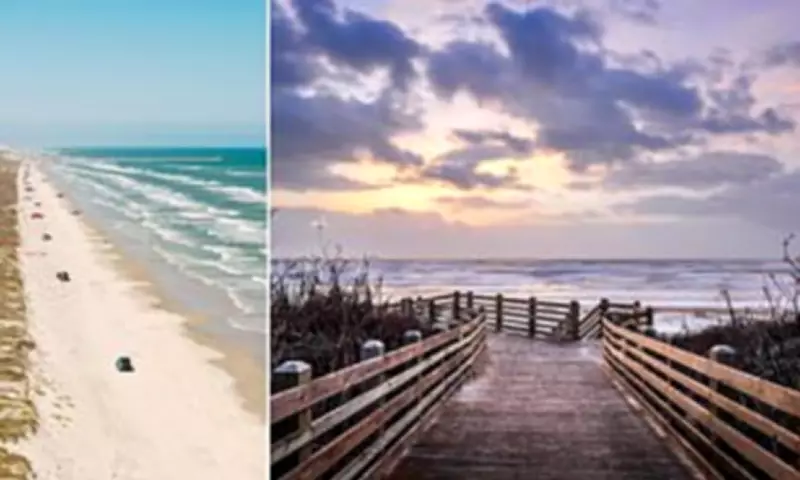
Popular Texas beaches are implementing a significant price increase for their annual parking stickers for the first time in nearly twenty years, and local residents are expressing considerable dissatisfaction. The Nueces County Commissioners have officially voted to raise the fees for Mustang Island and North Padre Island in the Corpus Christi area, elevating the cost from a longstanding $12 to a new rate of $20. This fee had remained completely unchanged since the year 2004, making this adjustment a notable shift for regular beachgoers.
Public Outcry and Online Reactions
Online platforms have become a hub for frustrated beach enthusiasts to voice their concerns. One Facebook user commented humorously, 'I'll park somewhere random then Uber to the beach lol,' highlighting potential workarounds. Another individual suggested simply skipping the permit purchase until directly confronted by authorities, which prompted a supportive reply stating: 'That's the way to go. Haven't bought a permit since '23 when they were going vehicle to vehicle.' These reactions underscore the community's resistance to the increased financial burden.
Scope and Revenue Distribution of the Stickers
The annual parking sticker provides access to all beach areas managed by Corpus Christi, Port Aransas, and Nueces County. Revenues generated from these sales are shared among the three governmental bodies. Specifically, Port Aransas receives 84 percent of the passes sold within its city limits, with Nueces County collecting the remaining 16 percent. Similarly, the city of Corpus Christi would obtain 84 percent of revenues from sales occurring outside Port Aransas city limits, while Nueces County would again receive 16 percent. These funds are crucial for financing essential beach maintenance, law enforcement services, and other operational needs.

Reasons Behind the Fee Increase
The decision to raise parking fees stems from escalating costs associated with beach upkeep. Expenses have risen significantly for critical activities such as beach renourishment projects, debris removal operations, and enhanced monitoring during the busy summer peak periods. Heavy equipment is frequently required to clear natural obstructions like seaweed and jellyfish, as well as post-storm debris, all of which contribute to higher operational budgets. Officials have indicated that transitional discounts may be available in certain areas as the new rate is gradually phased in, offering some temporary relief to affected residents.
Comparative Pricing and Approval Process
Even with the increase to $20, parking at these beaches remains more affordable compared to other popular Texas coastal destinations. For instance, South Padre Island charges $100 annually for parking, and Galveston requires $50 for a seasonal pass plus an additional $45 for seawall parking. However, the new rate and the detailed revenue distribution plan must still receive formal approval from the Texas General Land Office through the established beach management plan process. If approved, the increased fee is scheduled to take effect in January, marking a new chapter in beach access management for the region.






