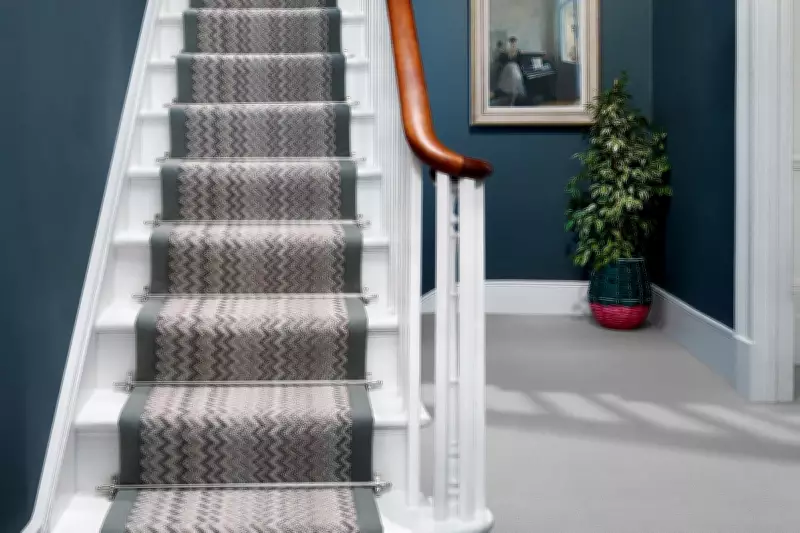
Rugs serve a purpose far beyond mere decoration – they can significantly reduce heat loss within residential properties. From blocking draughts to enhancing insulation underfoot, selecting the appropriate rug can help decrease heat escape, create a warmer atmosphere in rooms, and even contribute to lower energy usage, particularly in older homes with less efficient flooring structures.
The Science Behind Floor Heat Loss
As energy costs continue to escalate, numerous households are exploring methods to maintain warmth without excessively relying on central heating systems. One frequently overlooked source of heat dissipation is the floor itself. According to data from the Energy Saving Trust, approximately 10 to 20 percent of a home's warmth can be lost through the ground beneath occupants' feet. Professional floor insulation installations can yield annual savings of around £110 to £120 on energy expenses, depending on the specific floor type, though this typically requires expert fitting.
Can Rugs Effectively Warm a Room?
For those without the budget for professional insulation, rugs present a viable alternative. Cold flooring impacts more than just foot comfort; it can reduce the overall ambient temperature of a space. This is especially pronounced in older dwellings featuring suspended timber floors, where gaps between floorboards permit cold air infiltration. Even contemporary concrete floors can conduct heat away from rooms, creating a chilly environment despite active heating systems.

The current trend emphasizes large, oversized rugs for maximum coverage. To optimize insulating properties, ensure rugs extend beneath furniture to establish a unified, cosy aesthetic. Design professionals advise that rugs framing seating areas should be at least 6 to 8 inches (15 to 20 centimetres) wider than sofas on each side, with 12 to 24 inches (30 to 60 centimetres) tucked under the front legs. For bedroom applications, rugs should protrude 18 to 24 inches (45 to 60 centimetres) beyond the sides and foot of the bed frame.
Selecting Colours and Styles for Warmth
Jodie Hatton, design manager at Brintons, reports growing demand for warming patterns like tartans and stripes. "Tartans create stunning visual impact anywhere and can unify colour schemes or thematic elements," she observes. "Available in highly versatile colour palettes, they offer a wonderful method for injecting personality into spaces and expressing creative design instincts."
Do Rugs Genuinely Mitigate Heat Loss?
While rugs cannot substitute for proper floor insulation, they can help obstruct draughts and retain some room heat that would otherwise escape. The insulation efficacy increases with fibre density – wool proves particularly effective due to its natural air-trapping and temperature-regulating properties, maintaining room comfort without overheating. Synthetic rugs offer durability and affordability with some warming benefits, though they generally underperform compared to natural fibres.
For homes with underfloor heating systems, opt for low-pile or thinner rugs to facilitate efficient heat circulation. At winter's onset, thoroughly shake rugs to revitalize the pile and restore insulating characteristics. For enhanced performance, consider thermal underlays – some manufacturers produce versions with tog ratings analogous to duvets, where higher ratings indicate superior insulation.
The Layering Trend for Added Warmth
Layering rugs represents an emerging trend that combines thermal benefits with stylistic appeal. This technique involves positioning smaller decorative rugs over larger, neutral bases such as jute or sisal. "In 2026, designers will layer rugs together, over carpets and hard floors, or to effectively zone open-plan areas, adding comfort and visual interest," explains Lizzie Mosley, creative director at Hug Rug. "When paired with plush accessories like cushions and throws, rooms achieve a welcoming, lived-in ambiance – spaces designed for genuine relaxation and unwinding."

Do Carpets Provide Superior Thermal Benefits?
Carpets deliver more consistent thermal advantages than rugs since they cover entire floor surfaces. This year marks a stylistic resurgence for carpets, with luxurious thick piles and vibrant colours returning to fashion – designers now embrace 'colour-drenching' techniques that unify walls and floors in singular hues. The primary drawbacks involve cost and permanence; unlike rugs, carpets constitute long-term investments that prove more challenging to replace or clean thoroughly.
Do Rugs Actually Conserve Energy?
Rugs accomplish more than merely softening footsteps – they actively reduce heat loss through flooring. When combined with draught-proofing measures, thermal curtains, or smart thermostats, they can alleviate heating system demands and potentially decrease energy bills. Additionally, rugs enhance room cosiness by improving acoustic properties. Research published in ScienceDirect and MDPI demonstrates that pleasant acoustic conditions can create subjective warmth perceptions, even without actual air temperature changes.
Hard floors reflect sound, generating echoes and harshness that can make spaces feel colder and less inviting. Rugs help soften these acoustic effects, making rooms feel warmer both visually and psychologically. This multifaceted approach to home comfort demonstrates that thoughtful rug selection and placement can contribute meaningfully to energy efficiency and domestic wellbeing.