

Home Renovations That Devalue Your Property: Expert Warnings
Most homeowners follow a simple logic when renovating: invest now to increase property value later. However, this strategy often backfires spectacularly. Surprisingly, many common upgrades can actually reduce a home's market worth, either by lowering the asking price or deterring potential buyers entirely.
From transforming bedrooms to installing trendy kitchens, we consulted property investors, estate agents, interior designers, finance specialists, and renovation experts to identify exactly what makes buyers walk away. Discover these pitfalls to potentially save thousands on your next property transaction.
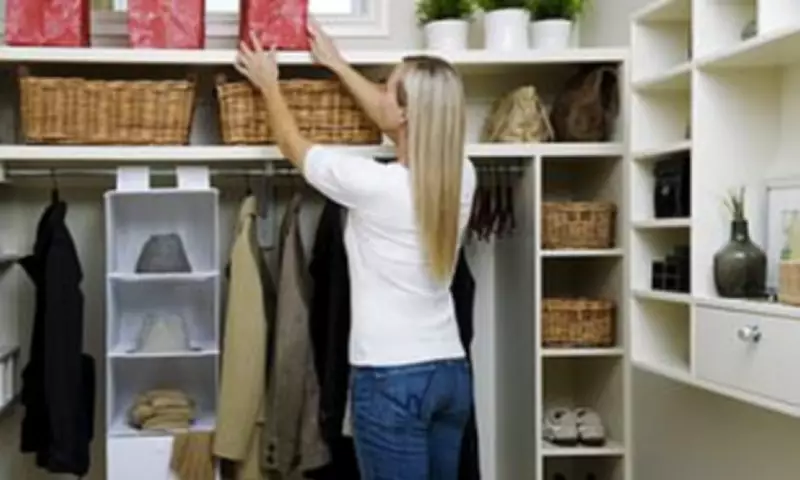
Converting Bedrooms Into Walk-In Wardrobes or Gyms
That spare room turned dressing room might feel luxurious, but it's one of the fastest ways to drop your home into a lower price bracket. Unless you're selling a mansion with numerous rooms, buyers overwhelmingly prioritise bedroom count, even for small spaces. While bespoke wardrobes or storage systems can cost between £7,000 and £11,000, they rarely add equivalent value compared to an extra bedroom. In fact, removing such installations can cost hundreds.

Matt Gerrish, Head of Investments at Sold.co.uk, explains: "A walk-in wardrobe may feel like a luxury to you, but it will never be as appealing to buyers as extra bedroom space. What seems like an upgrade often appears as a problem needing fixing for the next owner." An additional bedroom can increase a home's value by up to 10%, making this conversion a costly mistake.
Installing Bold, Trend-Driven Kitchens
A bold kitchen might attract social media attention, but it can quietly reduce your asking price by thousands. Homeowners frequently spend £10,000 to £25,000 on highly personalised kitchens influenced by online trends. The worst offenders include bright-coloured cabinets, ultra-dark units, open shelving, and oversized statement islands.
Karl McArdle, Co-Founder at The Property Buying Company, notes: "These designs look great online, but most buyers immediately consider the cost of removal. Bright colours, unusual layouts, or statement finishes limit appeal, especially if they feel dated." Consequently, buyers often reduce offers by £5,000 to £15,000 for kitchen renovations, sometimes more.
Adding Mismatched Extensions
Many homeowners complete extensions on older properties, such as Victorian homes, without addressing other issues. These additions often clash with the original structure, creating temperature imbalances—too warm in summer while the rest of the house remains draughty and cold.
Becky Lane, Founder at Furbnow, observes: "With planning applications, scaffolding, contractors, and materials, some spend £2,000 per square foot on extensions. They rarely see a return, particularly if buyers notice the rest of the house needs major work." This mismatch significantly diminishes property value.
Knocking Through Too Many Walls
Open-plan living remains popular, but excessive wall removal can backfire. Eliminating too many walls, especially if it removes a separate living room, makes homes feel less practical for families needing distinct spaces for eating, resting, or playing.
Katie Cromwell, Founder at No.86 Estate Agency, states: "While open layouts make spaces appear larger, they often function worse practically. Over-opened designs can reduce perceived value by £5,000 to £15,000, as buyers contemplate reinstating walls and reworking the space."
Removing Essential Storage Space
Creating a spacious kitchen by knocking through pantry or utility rooms might enhance aesthetics, but buyers quickly notice missing storage for everyday essentials. This loss of functionality, even in minor ways, can impact value by up to 5%, particularly in homes with limited storage.
Chris Murphy, Founder at Waterfront Homes, explains: "Buyers won't enjoy viewing your home; they'll be thinking about where to hide their mop and bucket if they move in. Practicality often outweighs appearance."

Converting Garages Into Living Spaces
Transforming a garage into a home office or extra living area seems like an easy upgrade until buyers realise they've lost parking space. This mistake is common in UK areas where off-street parking is in high demand.
Abi Hookway, property investor and expert, warns: "Even a well-finished room won't compensate for lost parking, especially for families or commuters. Most people prioritise practicality over aesthetics, potentially reducing property value by up to 10%."
Poor Quality DIY Work
Bad DIY doesn't just look messy; it makes buyers nervous about hidden issues. Poorly finished bathrooms, uneven tiling, or questionable electrical work raise immediate red flags, leading buyers to either walk away or negotiate lower prices.
Becky Lane adds: "Fixing these issues properly costs thousands, which buyers will factor into their offers. Once doubt creeps in, value diminishes rapidly."
Removing Key Bathroom Features
Some changes suit your lifestyle but not future occupants. Eliminating essential features, like a bath in a family home, significantly reduces desirability. Buyers often have non-negotiables, and missing elements directly impact what they're willing to pay.
Jamie Williams, Property Finance Specialist at Pure Property Finance, advises: "Just because it works for you doesn't mean it works for the market. Consider long-term appeal before making irreversible changes."
Stripping Out Original Period Features
Removing period features might modernise a home but can erase what made it valuable initially. Original elements like fireplaces, high ceilings, or architectural details drive appeal in older properties. Once gone, they're difficult and expensive to reinstate.
Grace Cooper, Interior Designer at Department, Campfield, notes: "Homes retaining character are often more desirable because they feel distinctive. In competitive markets, these features make properties memorable during viewings."
Installing Green Tech Without Proper Insulation
Adding heat pumps or solar panels seems like a smart investment, but only if the house meets efficiency standards. Installing green technology without addressing insulation or ventilation first can deter buyers. If the home remains inefficient, upgrades won't deliver expected savings and may be viewed as noisy inconveniences warranting discounts.
Becky Lane concludes: "In some cases, these become costly additions that don't meaningfully improve value. Ensure your home is properly insulated before investing in green tech."





