Angela Rayner's proposed reforms to council tax in England have been described as ill-conceived and failing to address the system's inherent unfairness. The local government secretary is seeking to adjust the regional burden of council tax, which has remained unreformed since it replaced the poll tax in 1993. Critics argue that the changes merely shift money from rich regions to poor ones without tackling the core issue: that poor people pay more in tax than they should, while the wealthy pay less.
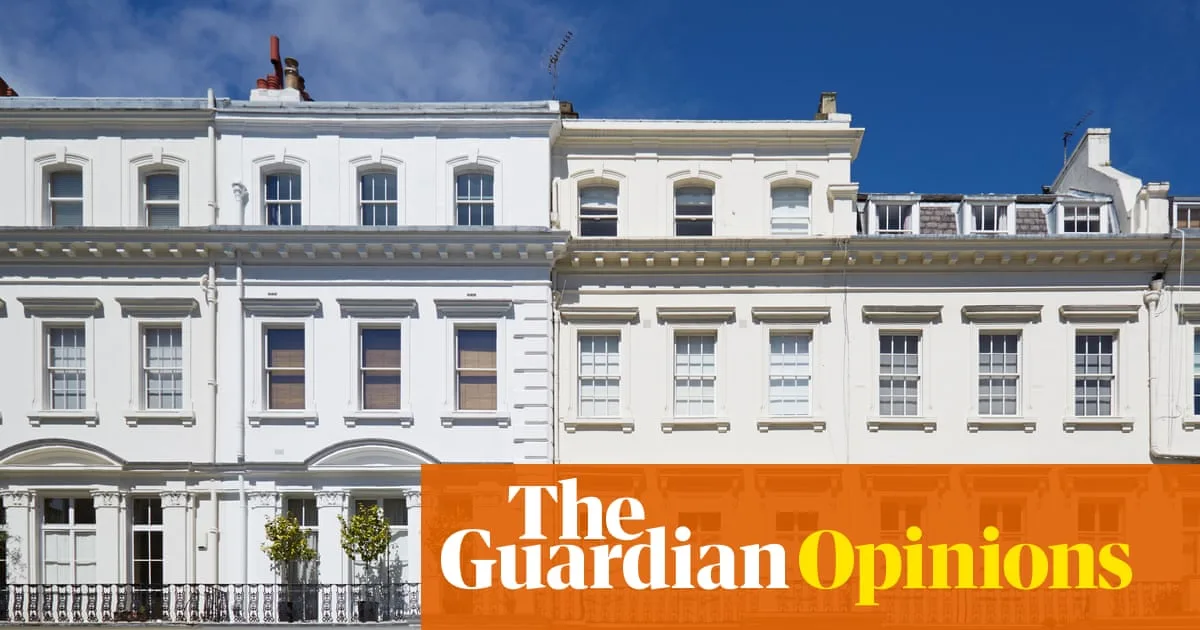
Under the current system, a band H property in Hartlepool, County Durham, pays £3,000 a year more in council tax than a multimillion-pound townhouse in Westminster. Similarly, a two-bedroom house in Wales incurs a basic council tax of £3,862, while a London house of much higher value pays just £1,850 to the local borough. No government minister has dared order a national revaluation of properties since the tax was introduced 30 years ago, despite significant house price inflation.
A study by the Institute for Fiscal Studies (IFS) suggests the plan could have bizarre consequences. Central government grants would be reallocated through complex algorithms, with 186 councils facing cuts and 161 receiving increases. Some inner London boroughs could see their grants slashed by as much as 25% over the next three years. The south-east is expected to lose out, while Yorkshire, Manchester, and the East Midlands benefit. Critics have noted that the changes appear suspiciously tilted towards areas gained by Reform UK.
The reforms would go some way to meeting Boris Johnson's 'levelling up' agenda, though Johnson himself did little to address regional disparities. The UK's gap in disposable income between rich and poor, and between south and north, is now wider than in any EU country. However, the proposed changes do little to address the unfairness between rich and poor individuals. Taxpayers in wealthy areas may see their bills rise steeply, but this falls short of a true mansion tax.
Simon Jenkins argues that the time is long overdue for a fundamental overhaul of council tax, including a national revaluation and wider tax bands. Without such measures, the system will continue to penalise the less well-off while letting the wealthy off lightly. The government's reluctance to pursue radical reform leaves local authorities in financial chaos, with many facing bankruptcy and services being cut across the country.