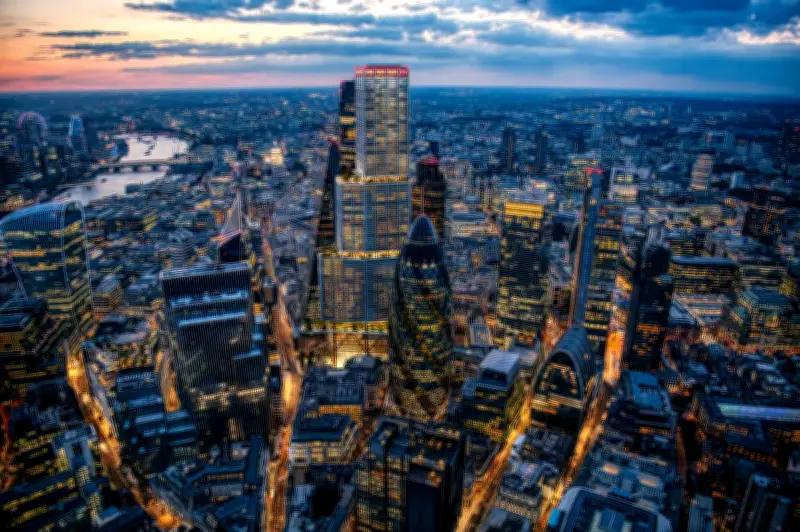
Details have been unveiled for One London, a 74-floor skyscraper that will match the height of Southwark's Shard at 309.6 metres, making it the tallest structure in the City of London. The building will feature terraces, public gardens, and Europe's highest public viewing gallery, operated by the London Museum. Levels 72 and 73 will house education spaces, while floor 71 will contain a bar described as the highest in London.
Skyline expansion and hospitality boom
Nearby, another skyscraper, 55 Bishopsgate, will rise to 269 metres across 63 storeys, featuring a public conservatory or sky garden, a water-wall, and a 360-degree rooftop viewing platform. The ground floor of One London alone will add 42,700 square feet of public space with 350 outdoor seats.
Architect Eric Parry said: "We stand at a historic moment of physical metamorphosis as the City rises in a uniquely close and tall form, at the centre of which is One London." Completion is due in 2033, with the building located between the Cheesegrater and the Gherkin.
The hospitality sector is also benefiting from the vertical trend, with Gordon Ramsay's latest annual results showing his best-performing restaurants are those at the top of 22 Bishopsgate.
Replacing St Helen's Tower
Before construction begins, the existing St Helen's Tower, also known as No.1 Undershaft or the Commercial Union building, must be demolished. The 118-metre structure, influenced by Ludwig Mies van der Rohe and reminiscent of his Seagram Building in New York, was bombed by the IRA in 1992 and later refurbished.
Across town, the BT Tower is set for a different transformation. MCR, America's third-largest hotel operator, paid £275 million for the 177-metre tower, once London's tallest building. Plans include a rooftop swimming pool, a 360-degree revolving observation deck, and a ground-floor public square with restaurants and shops.
Office space demand drives development
The surge skywards is driven by a chronic shortage of high-quality commercial office space across London. Despite remote working and AI-related redundancies, businesses require more room, particularly in the City.
In a significant development, the City of London Corporation has overcome objections from Historic England to permit towers near the Tower of London. Matthew Pennycook, the planning minister, said he is satisfied the proposed towers will not overshadow views of the 11th-century fortress, citing the City Plan's heritage policies as providing substantial safeguards for the Unesco World Heritage Site.
Historic England had sought a larger uninterrupted gap of clear sky between the Tower of London and new neighbours, and argued the new buildings should lean away from the fortress. The City Corporation warned that Historic England's stance risked imperilling one million square feet of planned office tower projects, affecting as many as 20 skyscrapers, 6,800 jobs, and £1.2 billion in annual economic output.
Tom Sleigh, chairman of the City's planning committee, said: "This was never a choice between the Tower of London and jobs. The City was here first. William the Conqueror started his tower in 1078 in the corner of a city already 1,000 years old, and the two have grown side by side ever since."
The Government asked an independent planning inspector to review the dispute, who concluded the City Plan would strike a better balance between heritage protection and growth than Historic England's alternative. Pennycook subsequently pronounced himself reassured, noting the Government had introduced special regard measures for World Heritage Sites.
The Corporation is now pushing ahead with its development blueprint, which should receive formal approval by the end of the year. Chris Hayward, its policy chairman, said: "This is an outstanding result for the City, for London and for the wider UK economy. The independent Planning Inspectorate has recognised that it is possible to protect one of our nation's most important heritage assets while still supporting the growth our country needs."