
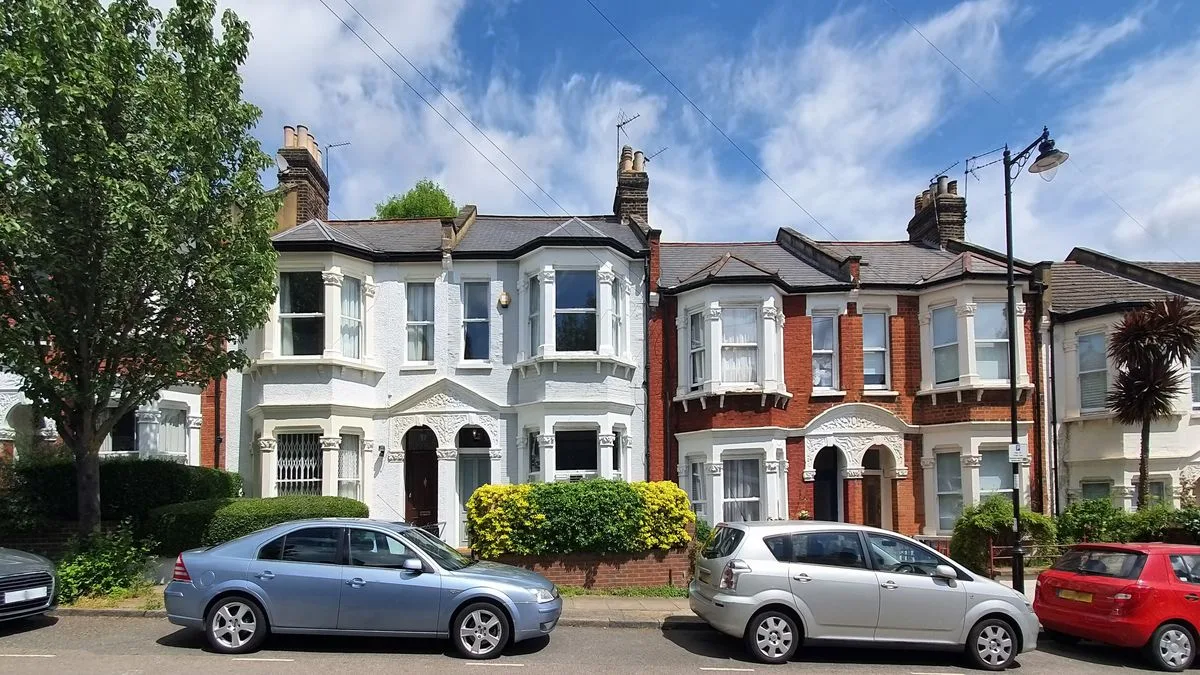
Coming home after a long day only to find another car parked in 'your' parking space is a growing frustration across the UK. According to Citizens Advice, neighbour disputes involving parking are increasingly common, often because residents are unclear about whether a space is legally owned, allocated or simply used informally.
Legal experts note that public roads outside homes are generally not reserved for adjacent property owners. The RAC says drivers can park on public roads as long as they follow local restrictions and do not block access illegally. However, the situation differs for private driveways, allocated bays and spaces included in property deeds or tenancy agreements.
Official GOV.UK guidance states it is illegal to block access to a driveway if it prevents vehicles entering or leaving. Councils and police may get involved when obstruction causes access issues or breaches parking regulations. Homeowners are advised to check Land Registry documents or lease agreements to confirm their parking rights.
Experts warn against retaliatory action such as blocking vehicles in, clamping cars or damaging property. Clamping on private land without lawful authority became illegal in England and Wales under the Protection of Freedoms Act 2012. For residents in flats or managed developments, disputes may involve management companies or permit schemes.
Citizens Advice recommends first trying to resolve issues informally through calm discussion. If disputes continue, homeowners may need to contact landlords, managing agents, councils or seek legal advice, depending on the location of the parking space.




