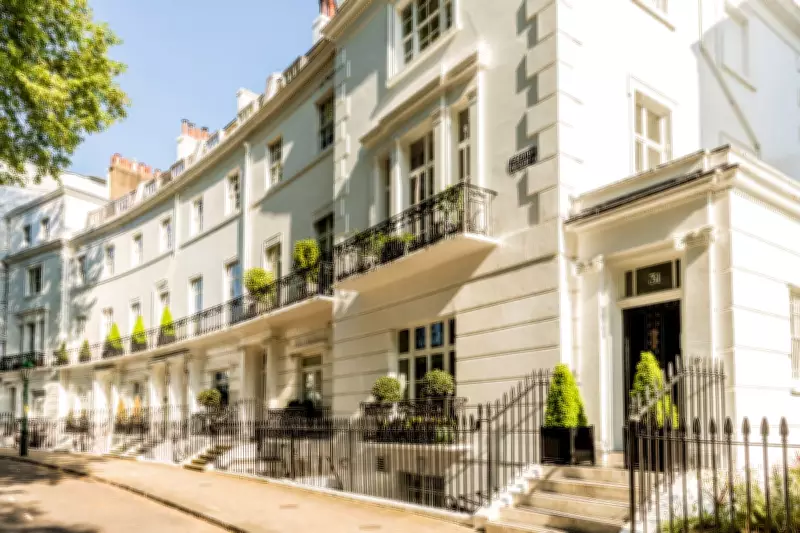
London's wealthiest boroughs have experienced double-digit declines in house prices, according to official figures from the Office for National Statistics (ONS). The City of Westminster, which includes affluent areas such as Mayfair and Knightsbridge, saw house values drop by 12.7 per cent between February this year and the same month last year. In neighbouring Kensington and Chelsea, prices fell by 11.2 per cent, though it remains the most expensive place in the country to buy a property, with an average cost of £1.2 million.
London's Overall Decline
Across the capital, average house prices have declined by 3.3 per cent over the 12 months leading up to February, marking the lowest percentage change in the country. In contrast, average house prices in England increased by 0.8 per cent during the same period. The average house price in England rose to £290,000, according to a provisional estimate, with Yorkshire and the Humber showing the highest growth at 3.9 per cent. In Wales, average prices increased by 2.5 per cent to £210,000, while Scotland saw 2.3 per cent growth to £187,000.
Impact of the Iran War
The price drop in the capital occurred shortly before the Iran war, which is expected to further stunt UK growth, with potential impacts on mortgage rates and consumer confidence. Sarah Coles, head of personal finance at AJ Bell, commented: "Sellers faced more bad news in February, as house prices fell in London, the South East and the South West, and overall delivered gains of just 1.2 per cent in a year. This is a slight uptick from the previous month, but is still a reflection of a seriously sluggish market."

Coles added: "Life is likely to get even tougher for sellers in the coming months, as mortgage rates threaten to keep rising and sentiment cools. The war in Iran is taking a toll on the market and raising inflation fears. This pushes up interest rate expectations, powering gilt yields which make fixed rate mortgages more expensive. It means more buyers could find themselves priced out of the market, so sellers have to cut their prices to make a sale or hang on in the hope that things improve."
Rising Inflation
On Wednesday, UK inflation rose to its highest since December, driven by a sharp jump in diesel and petrol prices caused by the conflict in the Middle East, according to official figures. The rate of Consumer Prices Index (CPI) inflation increased to 3.3 per cent in March from 3 per cent in February, the ONS reported. Chancellor Rachel Reeves stated that the Iran crisis was "not our war, but it is pushing up bills for families and businesses" as a result.