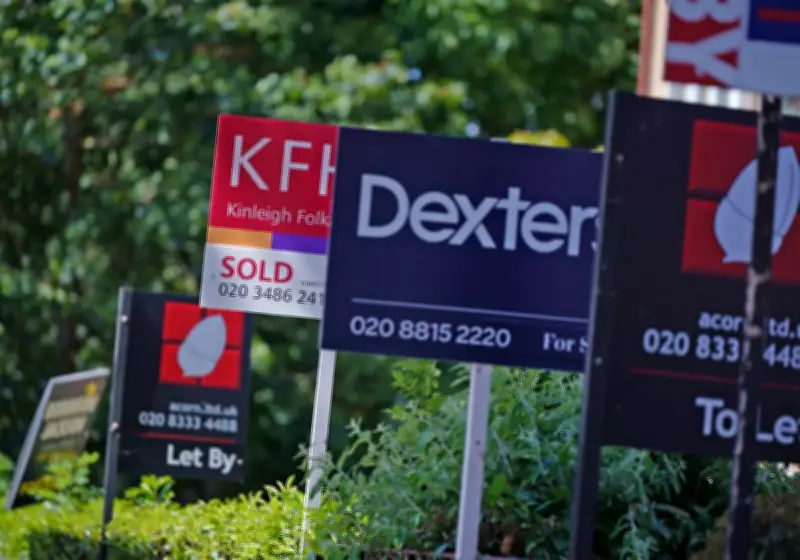
Average asking rents in London have hit a new record high of £2,825 per calendar month, according to property website Rightmove. Annual rental growth in the capital stands at 3.2%, outpacing the 2.4% growth recorded outside London.
Higher rents in London appear to be driven by a more pronounced supply squeeze, Rightmove said. The number of available homes to rent in the capital is down by 9% compared with a year ago, while renter demand has increased by 6% annually.
Supply squeeze drives record rents
The supply of available homes for tenants across the UK remains constrained, with the average monthly private advertised rent, excluding London, topping £1,400 for the first time, Rightmove said. The typical asking rent for a home outside London rose to a new record of £1,418 per calendar month in the third quarter of this year.
While rents continue to rise, rental price growth has stabilised compared with the intense competition seen at a recent peak in the market, the website said. The annual increase in asking rents in the third quarter was 2.4%. Between 2021 and 2023, annual rental growth in Britain hovered at around 10%, Rightmove said.
The number of available rental homes is 2% lower than a year ago, while renter demand is also down by around 2%, the website added. Elevated mortgage rates continue to make property investment less attractive for prospective landlords, Rightmove said.
Market reactions and outlook
Colleen Babcock, a property expert at Rightmove, said: “Average rents have reached another new record and have now surpassed £1,400 per month outside London for the first time.” She added: “However, beneath the headline figure, rental growth has continued to settle compared with the exceptionally fast pace we saw a few years ago. Supply remains constrained, which is continuing to put upward pressure on rents, but demand is also more measured. That has helped to create a more balanced market overall, even though affordability remains a challenge for many renters.”
Matt Smith, a mortgage expert at Rightmove, said: “One of the biggest challenges for many landlords at the moment is managing the properties they already own when the time to remortgage comes around. New buy-to-let investment has been relatively subdued for some time, and some landlords are still reaching the end of much cheaper fixed-rate deals taken out when borrowing costs were lower. For those landlords, moving onto a higher mortgage rate can have a significant impact on monthly costs and rental yields.”
Kesha Foss-Smith, head of lettings at John D Wood & Co, said: “Despite tighter supply, value for money remains critical. Tenants are increasingly discerning, especially at the upper end of the market, making realistic pricing and high-quality presentation essential. Looking ahead, maintaining a healthy supply of rental homes will be key to easing competition and supporting long-term market stability.”
Aneisha Beveridge, head of research at Hamptons, said: “Asking rents are useful for taking the temperature of the market, but they only tell part of the story. Increasingly, some of the largest rent rises are happening within existing tenancies as landlords seek to narrow the gap between long-standing rents and current market levels.” She added: “In many cases, landlords are catching up rather than pushing rents materially beyond the market rate. The fundamental issue remains a shortage of rental homes. While rental growth has cooled from the frenzied levels seen a few years ago, the supply of available homes remains constrained, which continues to put upward pressure on rents across much of the country.”