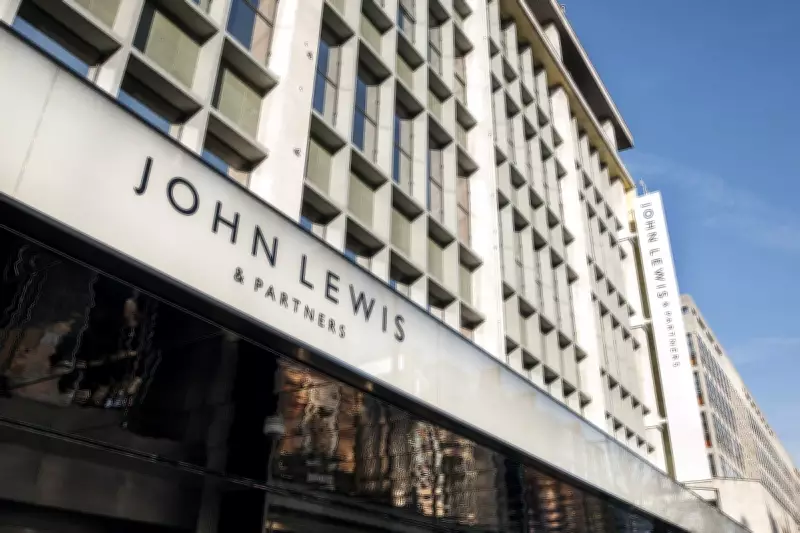
The John Lewis Partnership has made the significant decision to completely withdraw from its build-to-rent property venture, abandoning plans to construct approximately 10,000 rental homes across the United Kingdom. This strategic reversal comes after years of development, with the employee-owned business citing dramatically increased costs and a more cautious property market environment as the primary reasons for the withdrawal.
Ambitious Plans Derailed by Economic Pressures
Originally announced in 2020 under the leadership of then-chairwoman Dame Sharon White, the build-to-rent initiative represented a bold diversification strategy for the retail giant. At that time, the partnership declared its intention to develop 10,000 rental properties, with around 7,000 of these planned for sites already within its extensive property portfolio. This move was seen as a response to challenging retail conditions and an opportunity to leverage the company's substantial real estate assets.
Financial Environment Shift Forces Reassessment
In an official statement released on Wednesday, the John Lewis Partnership explained that the original decision to launch the venture was "based on a very different financial environment." Over the subsequent years, the plans faced mounting pressure from multiple economic factors that fundamentally altered their viability.

The partnership specifically pointed to higher interest rates, persistent inflationary pressures, and a more cautious property market as the key challenges that undermined the project's financial foundations. These combined factors meant the venture "no longer" meets the company's strict investment criteria, necessitating a complete withdrawal from the property development business.
Strategic Refocus on Core Retail Operations
This decision forms part of a broader strategic shift under current chief executive Jason Tarry, the former Tesco executive who now leads the partnership. The company indicated it will now "refocus on the partnership's core retail brands" - specifically the John Lewis department stores and Waitrose supermarkets that form the backbone of its business.
Investment will be redirected toward these retail operations, with the group currently committing approximately £800 million to enhance the John Lewis shopping experience. Additionally, a substantial £1 billion investment programme is underway at Waitrose, demonstrating the partnership's renewed commitment to its traditional retail strengths.
Transition Process and Employee Impact
The build-to-rent operation had already made progress with three specific planning applications for around 1,000 homes in Bromley, West Ealing, and Reading. While withdrawing from future development, the partnership has committed to fulfilling its existing management contracts as part of a responsible transition process.
It is understood that the group will complete the consent process on its existing developments but is then likely to sell this planning permission to potential developers in the property market. A small team of workers dedicated to the build-to-rent venture will be affected by the withdrawal, though they are expected to be offered redeployment opportunities elsewhere within the broader John Lewis Partnership business.
Official Statement and Future Direction
A John Lewis Partnership spokesman confirmed the decision, stating: "The John Lewis Partnership has today announced its decision to withdraw from its 'Build to Rent' property business. We're proud of what we've achieved in terms of progress with three planning applications and managing third party build-to-rent homes for residents to a high standard. We will fulfil our existing management contracts at four BTR sites as part of a responsible transition out of the business."
This withdrawal marks a significant strategic pivot for one of Britain's most recognizable retail brands, reflecting both the changing economic landscape and the partnership's determination to concentrate resources on its core retail offerings during a period of considerable market uncertainty.