Why You Have Condensation on Your Windows – and How to Get Rid of It Fast
Persistent window condensation stands as one of the most frequent winter challenges in UK households. This guide delves into the reasons behind its occurrence, the implications for your windows, and practical strategies for swift removal and prevention.
What Is Window Condensation, and Why Does It Happen in Winter?
Condensation forms when warm, moist air contacts a cold surface, causing moisture to condense into liquid droplets on the inside of windows. Cold spells exacerbate this issue as windows lose heat rapidly, indoor heating elevates humidity levels, and homes are often sealed tightly for warmth. Everyday activities like showering, cooking, boiling kettles, drying laundry indoors, and even breathing contribute litres of moisture to the air, which settles on the coldest points, typically the windows.
Is Condensation Bad for Your Windows?
A small amount of morning condensation is normal, especially in older homes or high-humidity rooms. However, persistent moisture can lead to significant problems. Timber frames may absorb water, resulting in swelling, paint peeling, and long-term rot. Mould can develop on window sills, surrounding plaster, and behind curtains or blinds, creating an uncomfortable and unhealthy indoor environment. Additionally, condensation between double-glazed panes often indicates a failed seal, necessitating replacement of the affected unit.

Types of Condensation and What They Tell You
Not all condensation is identical; understanding the type helps pinpoint causes and select appropriate fixes. Condensation on the inside of windows is most common, usually due to excess indoor humidity and fixable with better ventilation. Condensation on the outside of modern, energy-efficient glazing during cold mornings signals effective heat retention and typically clears independently. Condensation between panes suggests double glazing failure, requiring unit replacement as seals cannot be repaired.
Quick Fixes: How to Get Rid of Condensation Fast
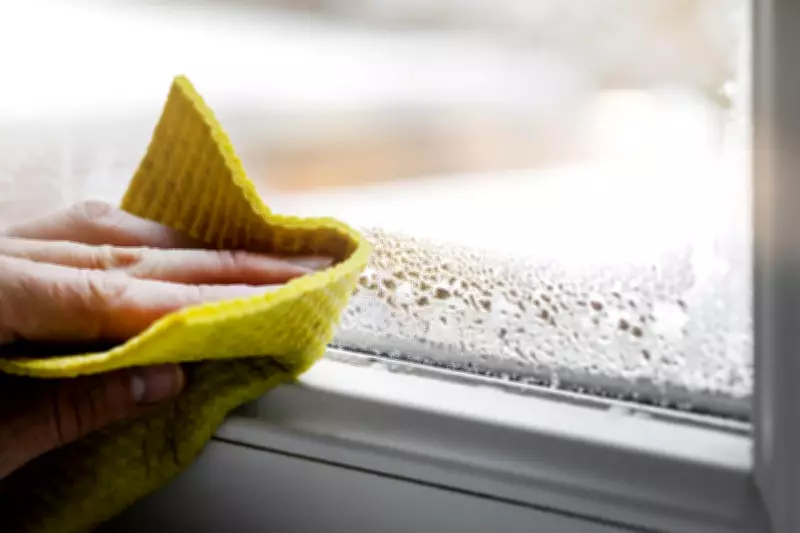
These immediate measures address existing moisture and prevent new buildup, though they do not resolve underlying humidity issues alone. Wipe windows each morning with a microfibre cloth or window vacuum to remove moisture before it soaks into frames. Open windows for short bursts to replace humid indoor air with drier outside air. Use extractor fans properly during and after showers or cooking, ideally for 15–20 minutes. Keep internal doors closed to prevent humid air from spreading to colder rooms, and allow airflow around furniture by moving it slightly away from external walls to avoid cold spots.
Longer-Term Solutions to Stop Condensation Returning
To tackle root causes like excess humidity, cold surfaces, and poor airflow, implement these strategies for permanent prevention and improved comfort. Improve ventilation by keeping trickle vents open in winter for steady fresh air without draughts, opening windows periodically, or considering whole-home systems like positive input ventilation. Reduce indoor humidity by avoiding indoor clothes drying where possible, using dehumidifiers in moisture-prone areas, and maintaining consistent home temperatures. Upgrade glazing from older single-pane windows to A-rated double glazing to keep inner panes warmer, or replace failed sealed units. Enhance insulation and airflow to stabilise temperatures and prevent humidity trapping.
When Condensation Indicates a Bigger Issue
If black mould, damp patches, or musty smells persist, condensation may signal structural problems beyond typical winter nuisances. Issues like leaking guttering, cracked render, poorly sealed frames, or damaged pointing can allow moisture penetration, especially in older properties with solid walls or inadequate ventilation. Distinguish surface condensation from rising or penetrating damp, which appear as tide marks or isolated patches worsening after rain. Persistent mould growth may require professional assessment to address indoor air quality and potential structural repairs.
In summary, addressing window condensation involves a combination of quick fixes and long-term adjustments to manage humidity and ventilation effectively, ensuring a healthier and more comfortable home environment during the colder months.