Gloucester Farmer Ordered to Remove Illegal Barn Flats After Gypsy Status Claim Fails
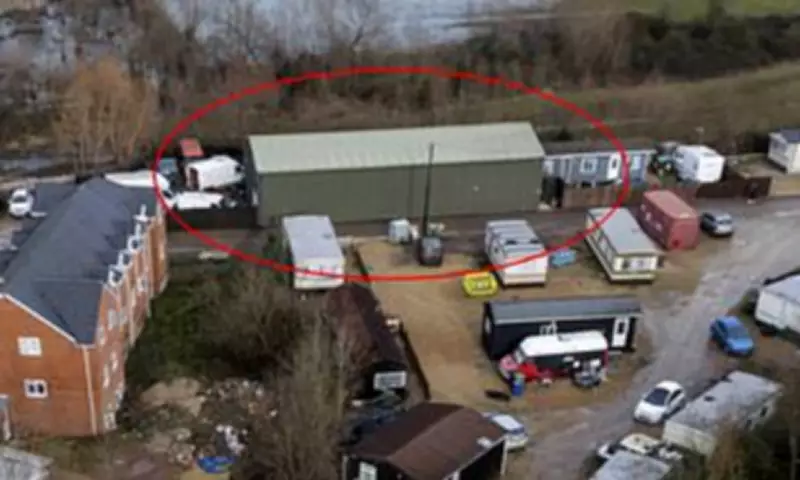
A traveller in Gloucester has been instructed to dismantle flats constructed unlawfully inside his barn after his argument that his 'gypsy status' should permit him to retain them was dismissed by authorities. Sean Gorman, aged 58, faced enforcement action for residences on his farm that violated planning regulations, having been erected on agricultural land within a flood risk zone without obtaining the necessary permissions.
Council Enforcement and Failed Appeals
Gloucester City Council issued an enforcement notice mandating the removal of all fixtures and fittings, including electrical wiring and plumbing systems, which enabled the structures to function as housing units. Mr Gorman, residing at Severnside Farm in Walham, Gloucester, appealed to the government's planning inspectorate to overturn this decision during a two-day inquiry.
He contended that the enforcement notice had not been properly served and neglected to account for his gypsy status, which is recognised as a protected characteristic under law. However, the planning inspector rejected these claims, noting that Mr Gorman was personally served with the notice and had sufficient opportunity to seek professional advice and file his appeal.

Evidence Gaps and Contradictory Testimonies
Mr Gorman further challenged the council's enforcement notice by asserting that the flats had been present on the land since 2020 and had been in continuous use for four years. This argument was also dismissed by the inspector, who identified significant gaps in the evidence provided.
The inspector highlighted the absence of tenancy agreements for the flats between July 2021 and 2023, with the earliest documented agreement dating only from 2023. He characterised the evidence submitted by Mr Gorman and his witnesses as 'contradictory,' undermining the credibility of the continuous use claim.
Compliance Deadline and Council Stance
Sean Gorman now has a six-month period to comply with the enforcement notice by executing works to eliminate the flats from residential use. Failure to adhere to this requirement may lead to additional legal proceedings and potential penalties.
A spokesperson for Gloucester City Council expressed satisfaction with the inspector's ruling, stating: 'We're pleased that the inspector agreed with our view that this was a serious breach of planning laws. Our planning regulations are there to protect our city from unauthorised development and to make sure that the city works for everyone. We will not hesitate to take action where people do not seek the appropriate permissions.'
The council emphasised its commitment to enforcing planning laws to prevent unauthorised developments and ensure equitable urban management. This case underscores the rigorous application of planning regulations, even when cultural or status-based defences are invoked.