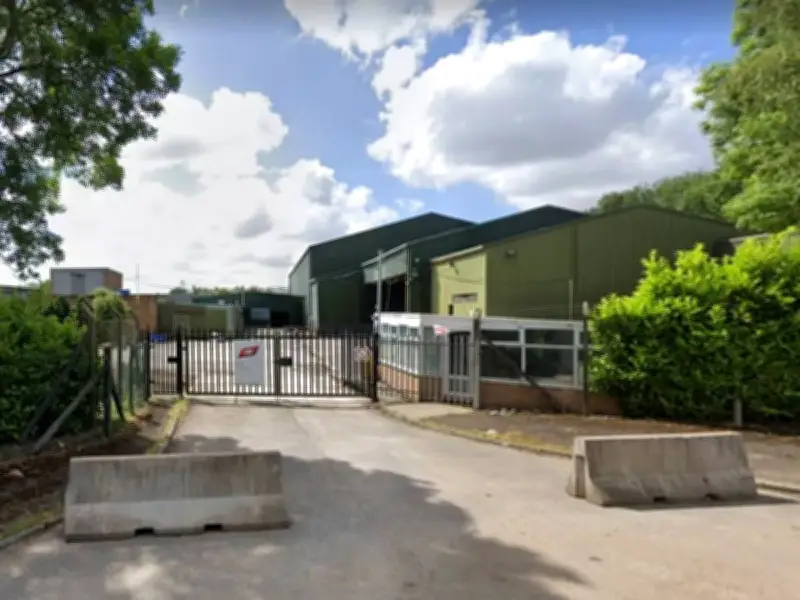
Hyndburn Council's planning committee has approved a major employment development on the site of the former Blackburn Abattoir in Great Harwood, paving the way for 22 new industrial and warehouse units on a long-vacant brownfield site.
The scheme, submitted by Harrisons Engineering Lancashire Limited, will see five employment buildings erected on land off Balfour Street, along with the refurbishment of an existing warehouse and new access arrangements. The application was formally approved on October 9.
Details of the approved scheme
The development will provide around 83,000sqft of industrial floorspace across 22 units, aimed at manufacturing, industrial and storage operators. The site was formerly occupied by the ABP Blackburn abattoir, which ceased operating in 2022. Much of the complex has since been demolished, leaving the land largely vacant apart from some temporary storage uses.
Planning documents describe the redevelopment as a significant regeneration project that will bring a prominent brownfield site back into productive use. The approved plans include a new vehicle access from Balfour Street, alterations to existing access arrangements from Heys Lane, extensive landscaping works, cycle facilities and more than 100 parking spaces.
Technical and environmental challenges
The application faced a range of technical and environmental challenges before reaching committee. The land contains a culverted section of Harwood Brook and lies partly within Flood Zone 2, requiring extensive drainage and flood mitigation measures. The site is also affected by historic industrial activity, with planning documents highlighting potential contamination risks and former coal mining legacy issues.
The applicant will be required to undertake detailed investigations and any necessary remediation before construction can begin. The site has also been linked to historic gas infrastructure, creating further engineering constraints that had to be resolved in the application process.
Conditions and community commitments
More than 30 planning conditions have been attached to the approval, covering biodiversity net gain, flood risk, drainage, noise control, contamination, archaeology, highway improvements and local employment opportunities.
While the scheme will be delivered in phases, during construction developers must provide habitat management plans, ecological enhancements including bat and bird boxes, and install solar panels on the new buildings before occupation. The council has also required the developer to prepare an employment strategy explaining how local residents will be recruited and trained during both the construction and operational stages of the development.