The Dining Table Dilemma: Tradition Versus Modern Comfort
In contemporary British homes, a quiet revolution is reshaping how families approach mealtime. The traditional dining table, once the undisputed centerpiece of domestic life, now faces stiff competition from the humble sofa as preferred eating locations.
The Case for Table Tradition
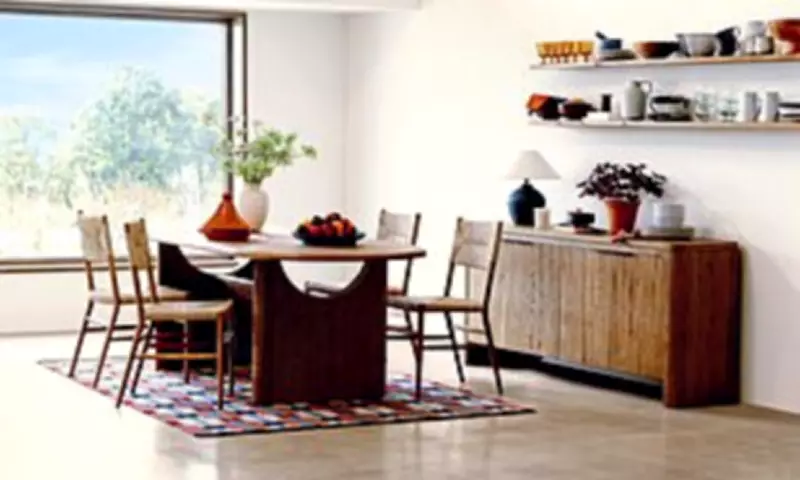
For many, the dining table represents more than mere furniture - it embodies ceremony, connection, and domestic order. The simple act of sitting at a properly set table transforms even microwave pasta into a grown-up affair, complete with candles and carefully positioned napkins. This ritual stands in stark contrast to meals consumed mindlessly from packets while scrolling through phones or staring at television screens from sofa perches.
Tables offer practical advantages beyond their symbolic value. Unlike sofas that accumulate mysterious crumbs, lost batteries, and lingering food odors, dining surfaces can be wiped clean in seconds without wrestling with removable covers or scheduling expensive dry cleaning appointments. They don't collect the archaeological finds that tumble from pockets - stray coins, rogue sweets, or abandoned socks that resurface weeks later coated in mystery fluff.

London-based interior designer Rebecca Hughes emphasizes that maintaining a dining table isn't about formality but intention. "When we choose to eat at the table rather than in the kitchen or in front of the television, we're choosing presence," she explains. This intentional space often becomes one of the last phone-free zones in modern homes, where families gather to discuss everything from daily routines to significant life events.
The Sofa Eating Revolution
Digital writer Scarlett Dargan represents the opposing camp with passionate conviction. "I have a total aversion to dining tables and have probably eaten at one fewer than five times in my life," she declares. "I don't want to be sat upright forcing conversation while I eat - I want to be on my comfy sofa shovelling in food while silently watching TV."
This preference extends even to special occasions, with Dargan admitting she consumes Christmas dinner on the sofa while watching the King's speech. For sofa advocates, the appeal lies in comfort, relaxation, and freedom from perceived formality that dining tables represent.
The Multifunctional Middle Ground
For those living in smaller spaces without mansion-sized dining rooms, the dining table transforms into a multitasking essential. Beyond meal service, these surfaces function as home offices, homework stations, gaming hubs, and temporary storage areas for post and payday flowers.
Interior designer Beth Dadswell of Imperfect Interiors demonstrates how creative solutions can bridge the divide, combining comfortable banquette seating with proper eating areas that offer both comfort and functionality.
Practical Solutions and Rebranding Possibilities
For space-conscious households, circular dining tables offer smart solutions by maximizing seating options while occupying less floor space. Those seeking characterful pieces can explore preloved marketplaces like Vinterior for mid-century designs, Decorative Collective for antique farmhouse tables, or Facebook Marketplace for local bargains.
Perhaps the most pragmatic approach involves rebranding rather than removing dining tables entirely. If daily use seems impractical, these pieces can be reserved for special occasions - birthdays, holidays, important conversations, or simply those Tuesday nights that deserve better than dinner consumed from laps. This approach preserves the dining table's ceremonial value while acknowledging modern lifestyle realities.
As entertaining evolves toward more relaxed formats, the basic need for table surfaces remains undeniable. Whether passing potatoes, clinking glasses, or making eye contact during conversation, tables facilitate civilized interaction in ways that tiny stools or laps simply cannot match.
The scratches, pen marks, and burn areas that accumulate on dining tables become physical records of family life - memories reinforced through daily use and occasional mishaps. In an increasingly digital world, these tangible connections to shared experiences may represent the dining table's most compelling argument for preservation.