

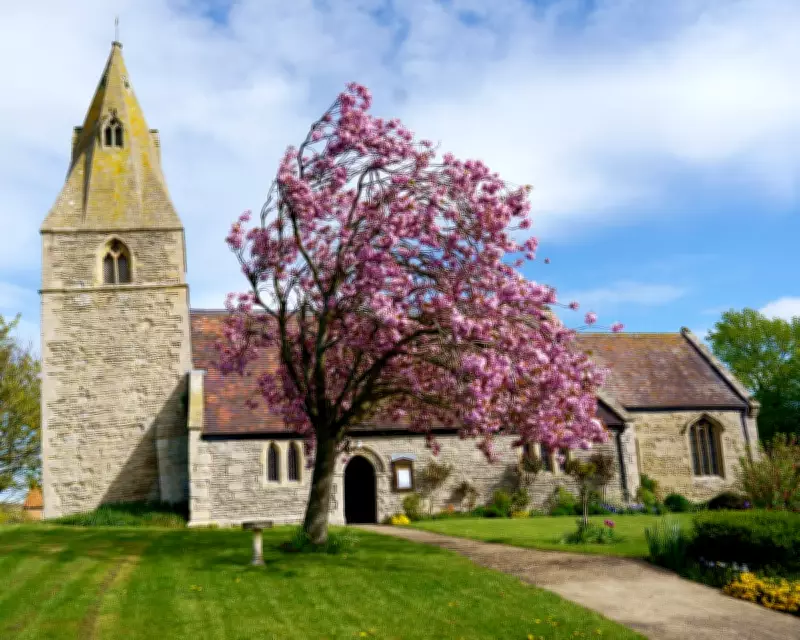
Lincolnshire Church Out-Leans Tower of Pisa, Requires Urgent £100,000 Floor Restoration
A historic church in the Midlands, renowned for its dramatic lean that surpasses even the iconic Tower of Pisa, is facing a critical fundraising challenge to secure more than £100,000 for essential repairs to its dangerously uneven floor. St James Church in Dry Doddington, Lincolnshire, boasts a spire that tilts at a striking angle of 5.1 degrees, significantly exceeding the approximately 3.97-degree lean of the famous Tuscan landmark in Piazza dei Miracoli.
Centuries-Old Structure and Its Precarious Position
Constructed in the 12th century as a "Chapel of Ease" to serve older residents who found the walk to neighbouring Westborough too arduous, the Grade II-listed building later evolved into its own parish church. Its tower, which dates from the 14th century, is believed to have first begun shifting in the late 19th or early 20th century, creating its distinctive jaunty appearance.
Richard Loynes, the church warden at Dry Doddington, has highlighted the urgency of the situation on an online fundraising page, stating, "We need to replace the very old floor in our 14th-century church which has the famous tower that leans more than Pisa!"

Previous Restoration Efforts and Current Deterioration
Just over a decade ago, the tower faced imminent collapse due to eroding stones that posed a serious health and safety hazard, necessitating a £100,000 restoration project to stabilise it. Now, the wooden floor has deteriorated significantly, with stone slabs shifting position, placing the structure in a precarious state once again.
Loynes explained to Lincs Online, "As with hundreds of churches we need to raise funds, but we’re as bad, if not worse than most, as we have a wonky floor. We are hoping to raise just over £100,000 to tackle the floor, replaster some of the walls and to upgrade the electricity as we only have one plug."
Historical Significance and Environmental Challenges
The church holds a memorial dedicated to the 49 Squadron Avro Lancaster bomber that crashed near the village in November 1944, adding to its historical value. The name Dry Doddington derives from Old English, meaning "dry estate of a man called Dodda," reflecting its location at the highest point in the village, which has inevitably exposed it to harsh weather effects over the centuries.
According to the Lincolnshire parish councils website, the current floor is described as very uneven, with timber sections badly rotted and infested with woodworm, underscoring the need for immediate intervention to preserve this architectural gem.






