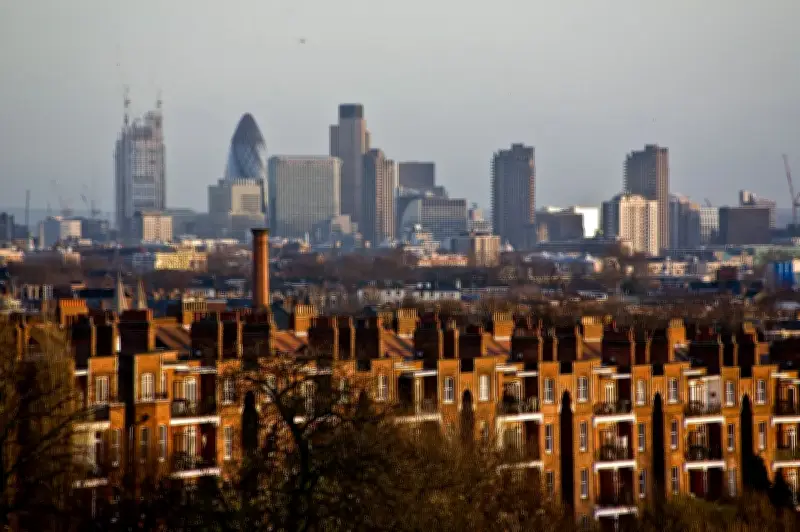
Official figures from the Office for National Statistics (ONS) reveal that house prices in central London are falling at an accelerating rate. In Westminster, the average property price dropped by £291,000 in the year to June 2026, a decline of 25.4% from £1,145,000 in June 2025 to £854,000.
Sharpest declines in inner London boroughs
The ONS data shows that house prices have now fallen for ten consecutive months in the capital, driven primarily by sharp drops in Inner London. The decline in Westminster has accelerated, with the annual fall increasing from 21.9% in May, 17.5% in April, and 9.9% in March.
Other boroughs also recorded significant annual drops. In Kensington and Chelsea, prices fell by 14.7%, a decrease of £216,000 from £1,466,000 to £1,250,000. Hammersmith and Fulham saw a 13.3% decline, from £837,000 to £726,000, while Tower Hamlets experienced a 13.1% fall, from £526,000 to £457,000. Islington recorded an 8.1% drop, from £733,000 to £673,000, Camden a 7.1% decrease from £897,000 to £833,000, and Wandsworth a 5.2% fall from £717,000 to £680,000.
Impact on buyers and property types
For homes bought with a mortgage in Westminster, the average house price was £837,000 in June, down 25.2% from £1,119,000 a year earlier. First-time buyers paid an average of £766,000 in June 2026, 25.3% lower than £1,025,000 a year ago. The average price for terraced properties fell by 23.4%, while flats decreased by 25.7%. As of June 2026, average prices in Westminster were: detached properties at £3,687,000, semi-detached at £2,581,000, terraced at £1,548,000, and flats and maisonettes at £758,000.
Across London, average house prices fell by 2.5% in the 12 months to June 2026, compared to a drop of 3.1% in the year to May. Nationally, annual house price growth slowed to 2% in June, from 3% the previous month, with the average UK house price reaching £272,000.
Experts question scale of decline
Some property experts questioned the scale of the price drops reported in the ONS figures, stating they were not seeing such sharp declines in their own data. Tom Bill, head of UK residential research at Knight Frank, commented: "Prices in prime central London have fallen by a quarter over the last decade, primarily due to higher rates of stamp duty but also the ending of non dom status and the fact it has become less attractive to be a landlord. The uncertainty of a Government likely to look again at taxes on wealth and assets in the autumn Budget is adding to the current mood of hesitancy."
At the same time, rents are rising for many Londoners, up on average 3% across the capital in the year to July, compared to 2.2% a month earlier. The sharp fall in property prices comes after the Labour government unveiled plans to impose a "mansion tax" on homes worth £2 million or more, which will hit London and the South East hardest. New Prime Minister Andy Burnham has signalled that he may raise taxes on the better off, impacting most on the capital, to ease the cost of living for millions of other families and fund plans to rebalance Britain's economy, including moving hundreds of Whitehall jobs out of London.