
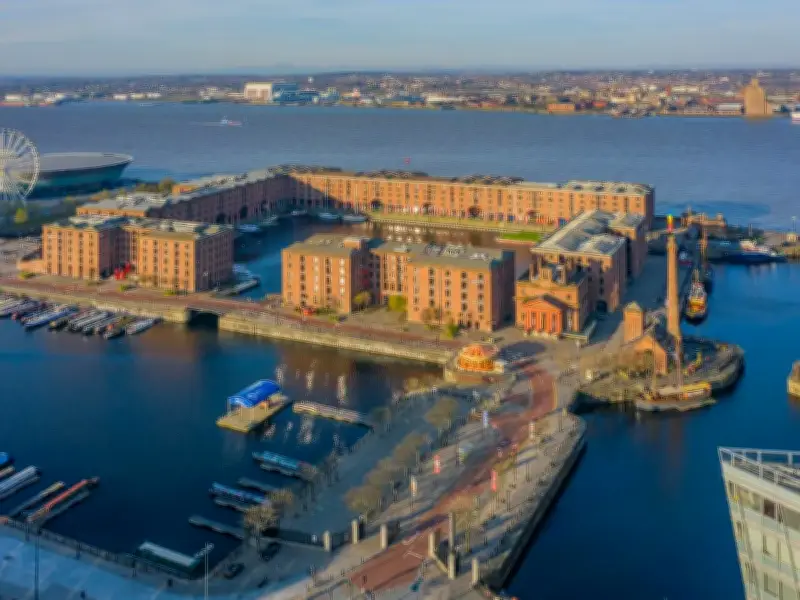
Liverpool's Royal Albert Dock is entering a new chapter with major investment, refurbishment work and plans to improve the historic waterfront destination. The city landmark celebrated its 180th anniversary on July 30, marking the date of its official opening by Prince Albert in 1846.
As part of the celebrations, the ECHO ran a month-long campaign including a series of stories about the iconic destination and the people and places who have helped make it such a big part of Liverpool. The campaign saw the ECHO delve into its archives to uncover nostalgic stories from the dock's past, speak to acclaimed Liverpool photographer Mark McNulty about his decades capturing the city's cultural scene, and hear behind-the-scenes memories from photographer Colin Lane. The series also featured a "Vox on the Docks", asking visitors, workers and locals what makes the landmark special, and a look at what life behind the scenes is really like with resident Anthony Williats, who has called the dock home for 20 years.
Major improvement works underway
Managed by property firm CBRE on behalf of the freeholder since 2018, the dock attracts approximately 9.5 million visitors a year. Now a programme of major improvement works is underway across the estate, which CBRE describes as its "most active period of major refurbishment since the 1980s".
Among the biggest projects is the transformation of Tate Liverpool, which is expected to reopen in 2027 following an ambitious redevelopment. National Museums Liverpool is also undertaking major works to transform the Maritime Museum pavilion and create a new home for the International Slavery Museum within the Martin Luther King Building.
Plans for the dock's future
Plans for the dock also include a new bridge linking the graving docks to Hartley Quay, while a masterplan is being developed to improve landscaping, accessibility and the visitor environment across the estate. Other projects include refurbishment work at Atlantic Pavilion, following its acquisition by Acorn Insurance, and a phased programme of remedial works at the Colonnades residential development.
Claire Smith, director of UK property management at CBRE, said: "Managing a destination like Royal Albert Dock is about harnessing the unique heritage of the estate and understanding what makes people want to visit, what makes them stay and what encourages them to come back."
"Every event, activation and new experience has a purpose, whether that's driving footfall at a traditionally quieter time of year, increasing dwell time, supporting our occupiers or bringing a different audience to the dock. But equally important is making sure the dock continues to evolve. A landmark can't stand still for 180 years."
James McQuaid, project manager at CBRE, added: "There is a particular responsibility that comes with working on a heritage asset like Royal Albert Dock. The challenge is to enable significant investment and change while protecting the architectural character and heritage that makes the dock unique."
Events and sustainability
Events have played a major role in the dock's recent development, with activities ranging from food and drink festivals and sporting events to large-scale cultural installations. Highlights have included the Borealis light installation in 2025, which won the REVO Award for Marketing Campaign of the Year, and events staged around Eurovision, including an impromptu concert by Sam Ryder attended by around 4,000 people.
The monthly Makers Market can attract more than 90 stalls at peak and increase footfall by approximately 40% on the day, according to CBRE. Major events can attract upwards of 70,000 visitors. The estate also works with Culture Liverpool on the annual River of Light programme and supports city events including the Liverpool Half Marathon and Santa Dash.
Sustainability is another focus of the plans, with proposed landscaping improvements intended to create a greener environment and provide additional habitats for wildlife.
Ms Smith said: "The next chapter for Royal Albert Dock isn't about trying to recreate the past. It's about making sure this extraordinary place continues to have a role in Liverpool's future. After 180 years, that's perhaps the most important measure of a landmark - not simply that it survives, but that successive generations continue to find reasons to visit, work, invest, live and spend time here."




